The United Nations Security Council remains deadlocked over who will succeed Secretary-General António Guterres when his second term expires on 31 December. Eight candidates remain in contention after nine rounds of informal voting failed to produce an agreement. Against a backdrop of geopolitical divisions, declining confidence in the UN's effectiveness and demands for institutional reform, the appointment could determine the future direction of the world's most influential international organisation.
INR Report: Based on reporting by RT International. Read the original report HERE.
A United Nations at a Crossroads
The United Nations faces an increasingly uncertain leadership transition as members of the Security Council struggle to agree on a successor to António Guterres.
Guterres will complete his second five-year term on 31 December 2026, concluding a decade during which climate action, sustainable development and institutional reform featured prominently on the organisation's agenda.
However, the UN's inability to resolve major international conflicts, including those in Gaza and Ukraine, has intensified debate over its effectiveness, impartiality and ability to hold powerful nations accountable.
Russia has repeatedly accused Western governments of undermining the authority of the Security Council by undertaking military operations outside its mandate. Moscow has cited NATO's bombing of Yugoslavia, the US-led invasion of Iraq and Western military intervention in Libya as examples.
China has expressed similar concerns regarding unilateral sanctions and military operations undertaken without Security Council authorisation.
Western governments, meanwhile, have frequently criticised Russia and China for using their veto powers to prevent collective international action.
The leadership contest is therefore about considerably more than selecting a new secretary-general. It reflects competing visions of international governance and the role the United Nations should play in an increasingly divided world.
The World's Major Powers Seek Reform
According to RT, Russian President Vladimir Putin, Chinese President Xi Jinping and US President Donald Trump pledged at their recent summit in Shenzhen to pursue reforms intended to improve the UN's ability to respond to international crises.
Moscow has indicated that it wants the next secretary-general to demonstrate independence and represent the interests of the entire international community rather than those of individual geopolitical blocs.
The challenge is finding a candidate acceptable to all five permanent members of the Security Council, each of which possesses the power to block an appointment.
How Is the UN Secretary-General Chosen?
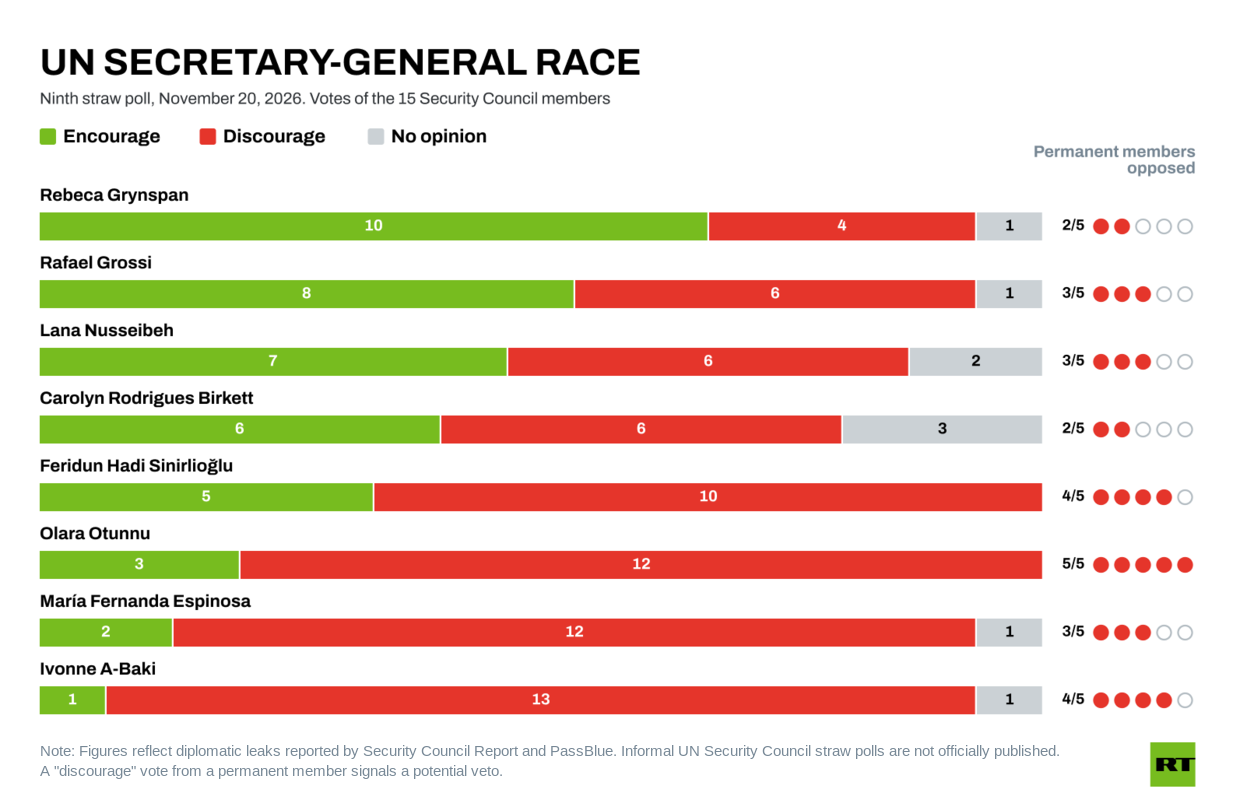
Original United Nations selection graphic. Source: RT International.
The secretary-general is formally appointed by the UN General Assembly following a recommendation from the Security Council.
A successful recommendation requires at least nine affirmative votes from the council's 15 members, without a veto from any of its five permanent members:
- United States
- United Kingdom
- France
- Russia
- China
An informal system of geographical rotation also influences the selection process, with Latin America and the Caribbean widely considered next in line.
There are also growing calls for the appointment of the first female secretary-general in the organisation's history.
Nine informal ballots have been conducted since July without producing an agreed candidate. A tenth round is expected on Monday, 30 November.
The Eight Candidates
Rebeca Grynspan — Costa Rica
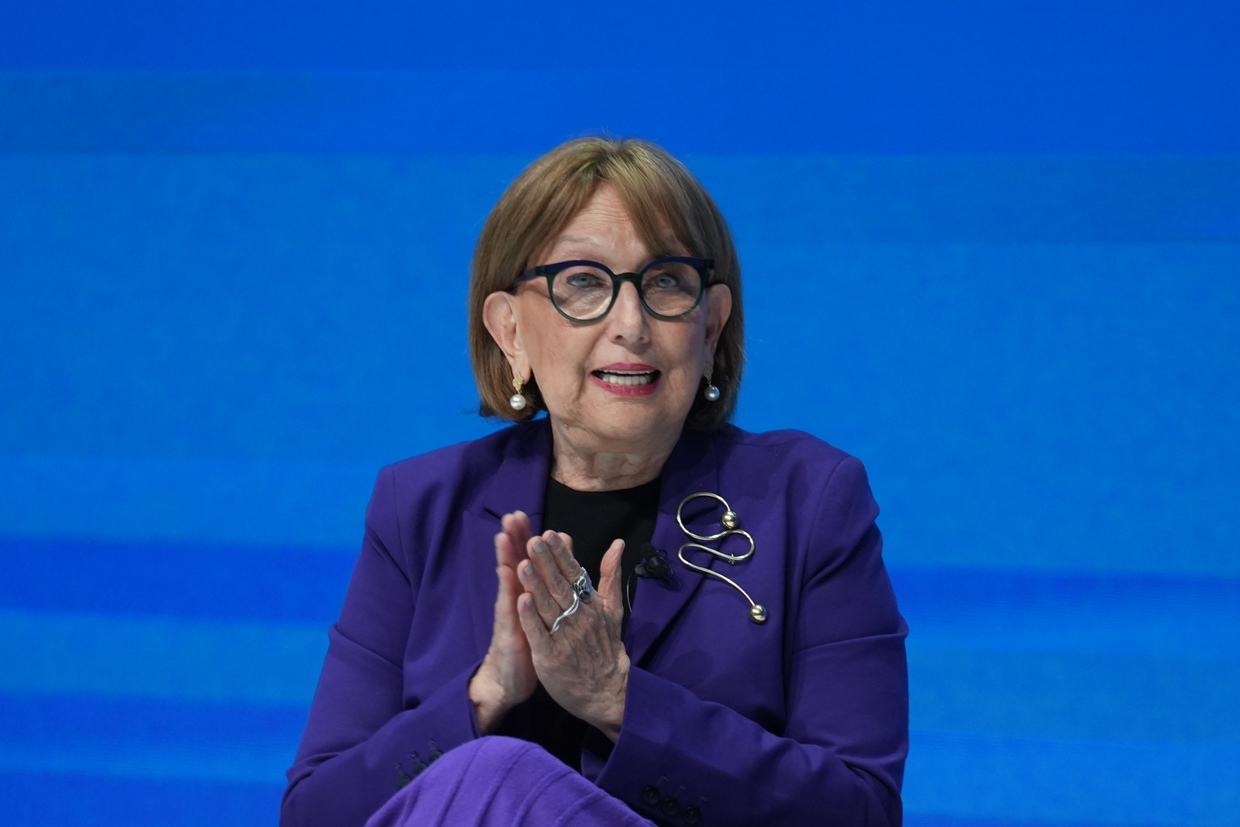
Rebeca Grynspan, former Costa Rican vice president and head of UN Trade and Development. Photo: Getty Images / David Zorrakino / Europa Press.
Currently regarded as the leading candidate, Rebeca Grynspan has advocated strengthening the UN's diplomatic capabilities and intervening earlier in international disputes before they develop into armed conflicts.
Her experience includes serving as vice president of Costa Rica and leading UN Trade and Development, formerly known as UNCTAD.
Britain, France and China have reportedly supported her candidacy. Russian Foreign Minister Sergey Lavrov has also indicated that she meets Moscow's requirements for the position, including impartiality.
However, despite receiving ten favourable votes in the 20 November informal ballot, two permanent Security Council members indicated opposition.
Media reports suggest that these may have been Russia and the United States, although the identities of the countries have not been officially confirmed.
Lana Nusseibeh — United Arab Emirates
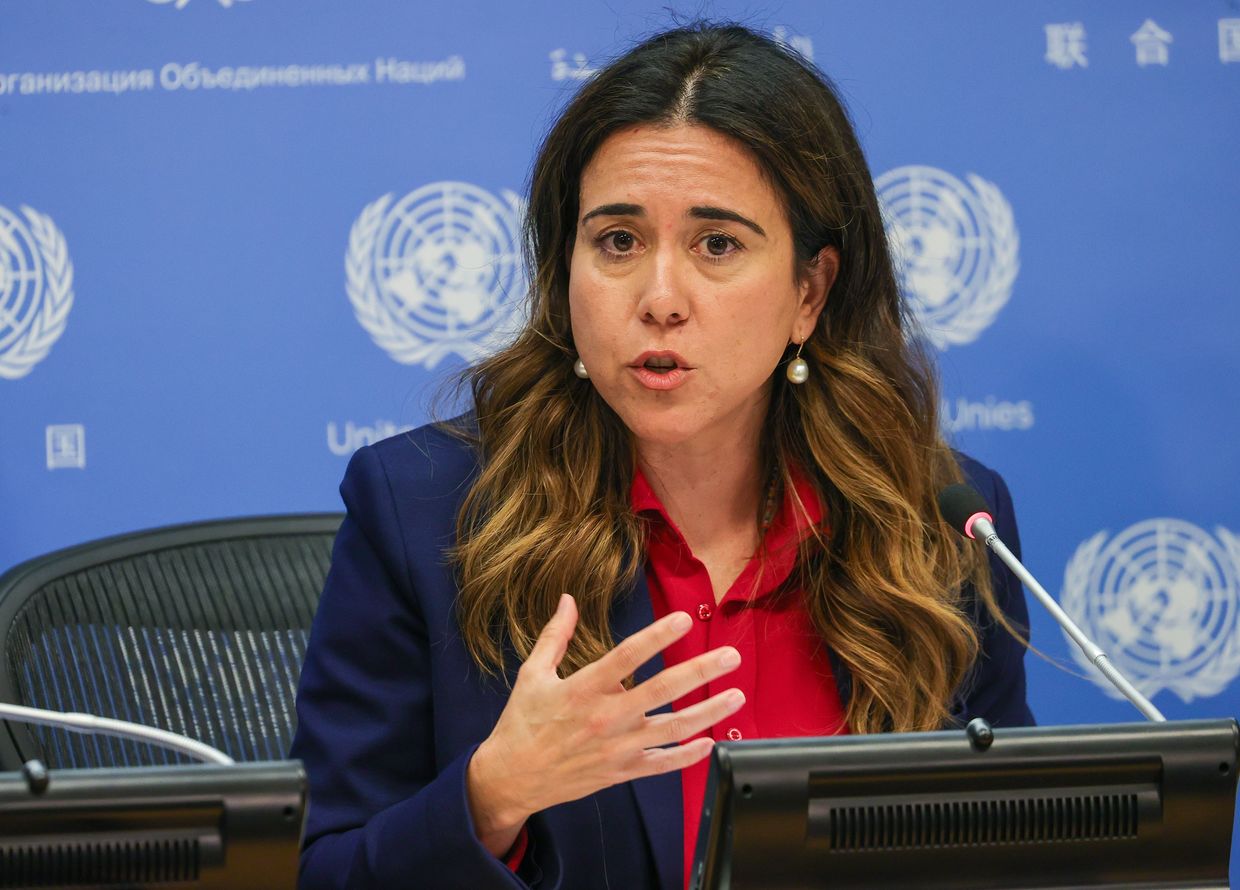
Lana Nusseibeh participates in the UN secretary-general selection process at United Nations headquarters in New York, 27 October 2026. Photo: Getty Images / Lev Radin / Pacific Press / LightRocket.
Lana Nusseibeh served as the United Arab Emirates' ambassador to the United Nations between 2013 and 2024 and is currently a minister of state.
Her proposals include strengthening the organisation's mediation capabilities, reducing duplication between UN agencies and transferring more operational responsibilities away from headquarters.
Russia and the United States are reportedly supporting her candidacy. The UAE has played a diplomatic role in negotiations concerning Ukraine, including recent discussions in Abu Dhabi.
Britain and France have reportedly questioned whether her previous defence of Emirati foreign policy could affect her independence as secretary-general.
Nusseibeh received seven favourable votes in the latest informal ballot, with three permanent Security Council members indicating opposition.
Rafael Grossi — Argentina
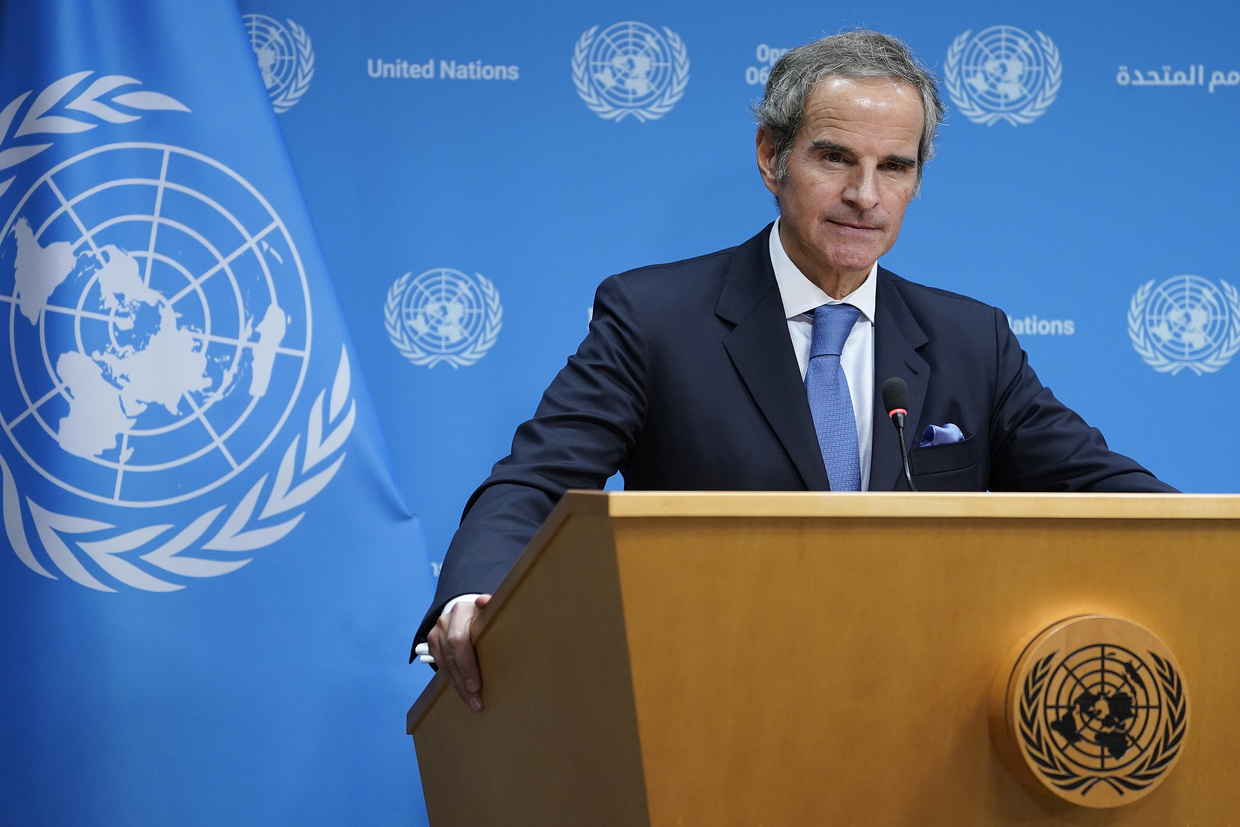
Rafael Mariano Grossi, director-general of the International Atomic Energy Agency. Photo: Getty Images / John Lamparski.
As director-general of the International Atomic Energy Agency (IAEA), Rafael Grossi has been involved in international negotiations concerning Iran's nuclear programme and nuclear safety in Ukraine.
Grossi believes the United Nations must rebuild confidence among the world's major powers, particularly Washington, Moscow and Beijing.
His candidacy has reportedly received American support, while Russian officials have acknowledged aspects of his work at the IAEA.
However, Russia has also criticised his handling of incidents involving the Zaporozhye nuclear power plant. China reportedly considers him too closely aligned with Washington, while Britain and France have raised separate concerns.
Grossi received eight favourable votes in the latest ballot, but three permanent Security Council members indicated opposition.
Carolyn Rodrigues Birkett — Guyana
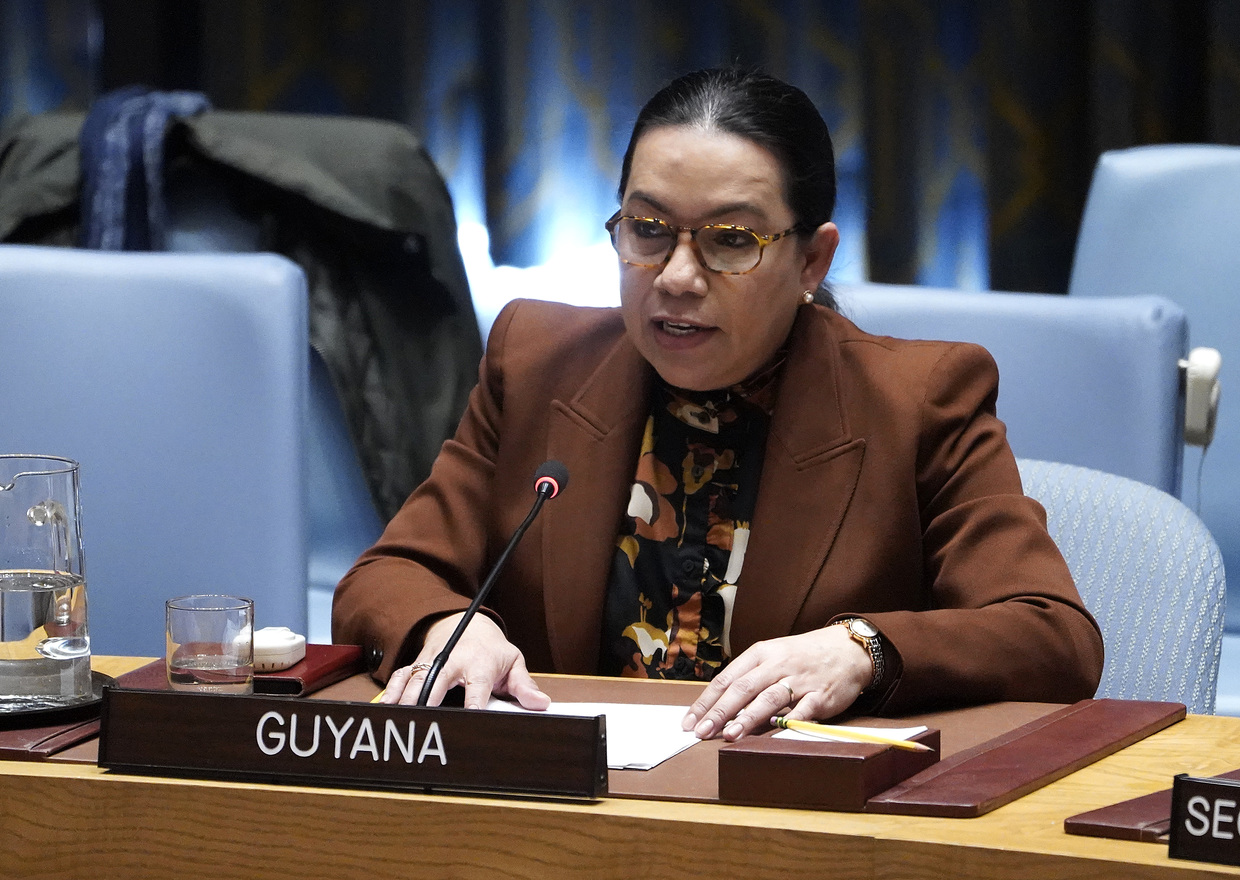
Carolyn Rodrigues Birkett, Guyana's permanent representative to the United Nations. Photo: Getty Images / John Lamparski.
A former foreign minister, Carolyn Rodrigues Birkett has represented Guyana at the United Nations since 2020.
Her proposals include earlier Security Council intervention in emerging conflicts, greater emphasis on political settlements through peacekeeping operations and improved access to development financing for poorer countries.
She has received the endorsement of the Caribbean Community (CARICOM), while Russia and China have reportedly expressed support for her candidacy.
Washington has reportedly opposed her appointment following her characterisation of Israel's actions in Gaza as genocide.
Rodrigues Birkett received nine favourable votes in the first informal ballot in July. That support declined to six in November, with two permanent Security Council members indicating opposition.
Feridun Hadi Sinirlioğlu — Türkiye
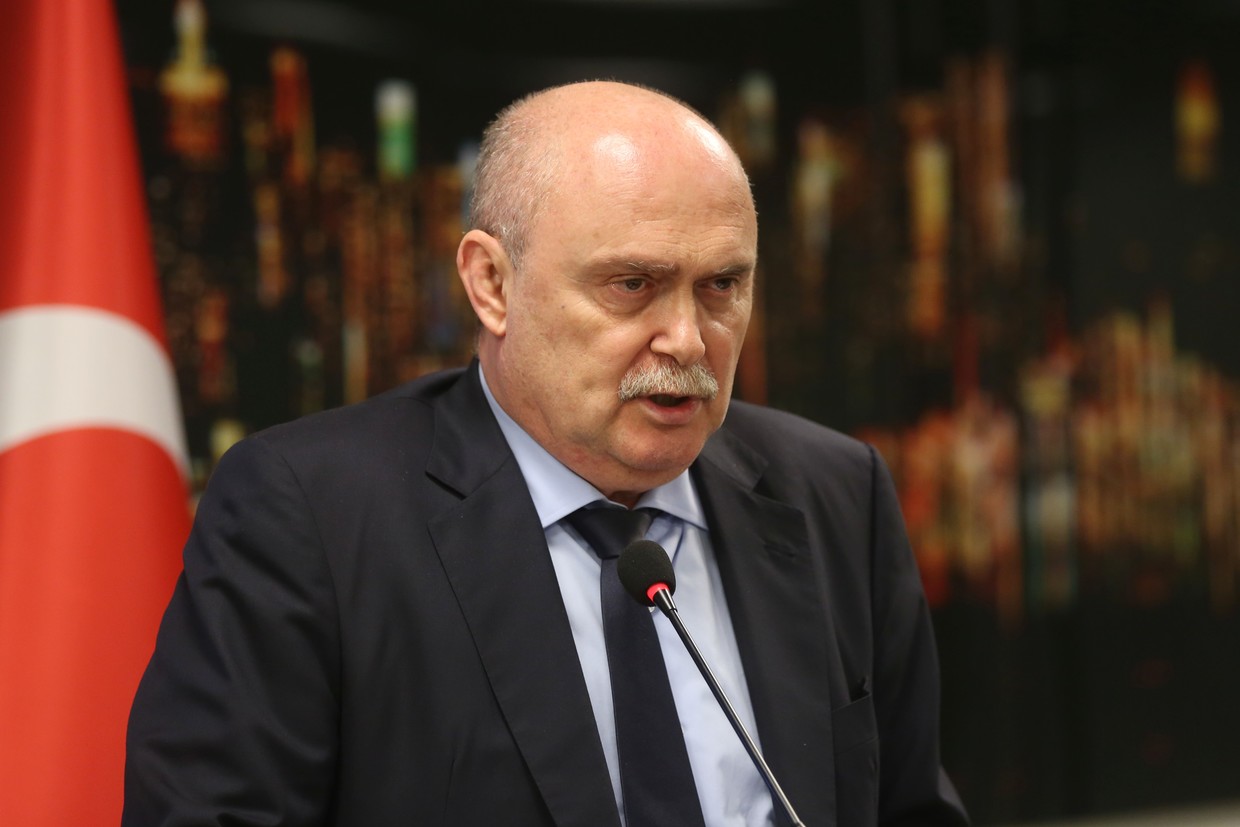
Feridun Hadi Sinirlioğlu, former Turkish ambassador to the United Nations. Photo: Getty Images / Mohammed Elshamy / Anadolu Agency.
A former Turkish foreign minister and UN ambassador, Feridun Hadi Sinirlioğlu currently heads the Organization for Security and Co-operation in Europe (OSCE).
His proposals focus on conflict prevention, greater cooperation with regional organisations and administrative reforms intended to improve efficiency while protecting humanitarian and peacekeeping operations.
Although he received unanimous support for his appointment to lead the OSCE in 2024, his UN candidacy has encountered significant opposition.
Greece has questioned his commitment to international law, citing his previous defence of Türkiye's disputed maritime claims.
Sinirlioğlu received five favourable votes in November, an improvement on his initial three, although four permanent Security Council members indicated opposition.
Olara Otunnu — Uganda
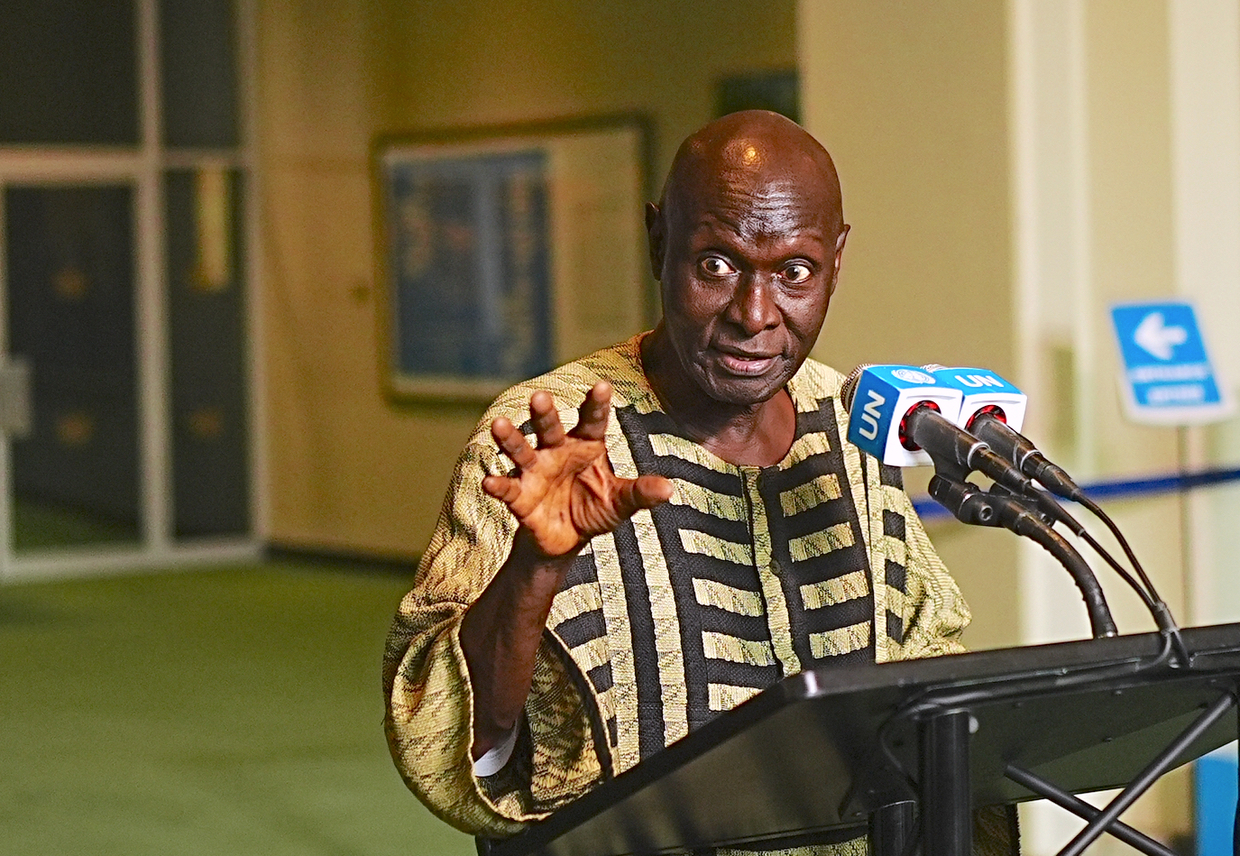
Olara Otunnu of Uganda, candidate for United Nations secretary-general. Photo: Getty Images / Selcuk Acar / Anadolu.
Olara Otunnu is the only African candidate remaining in the contest.
A former UN ambassador and the organisation's first special representative for children affected by armed conflict, Otunnu has a longstanding association with international diplomacy.
Interestingly, he proposed the informal voting system in 1981 that is now being used to assess his own candidacy.
His reform proposals include greater direct involvement by the secretary-general in peace negotiations, clearer objectives for peacekeeping missions and a review of senior management positions to reduce bureaucracy.
Otunnu received three favourable votes and 12 negative indications in the latest informal ballot. All five permanent Security Council members indicated opposition.
Despite the result, he has indicated that he intends to remain in the contest.
María Fernanda Espinosa Garcés — Ecuador
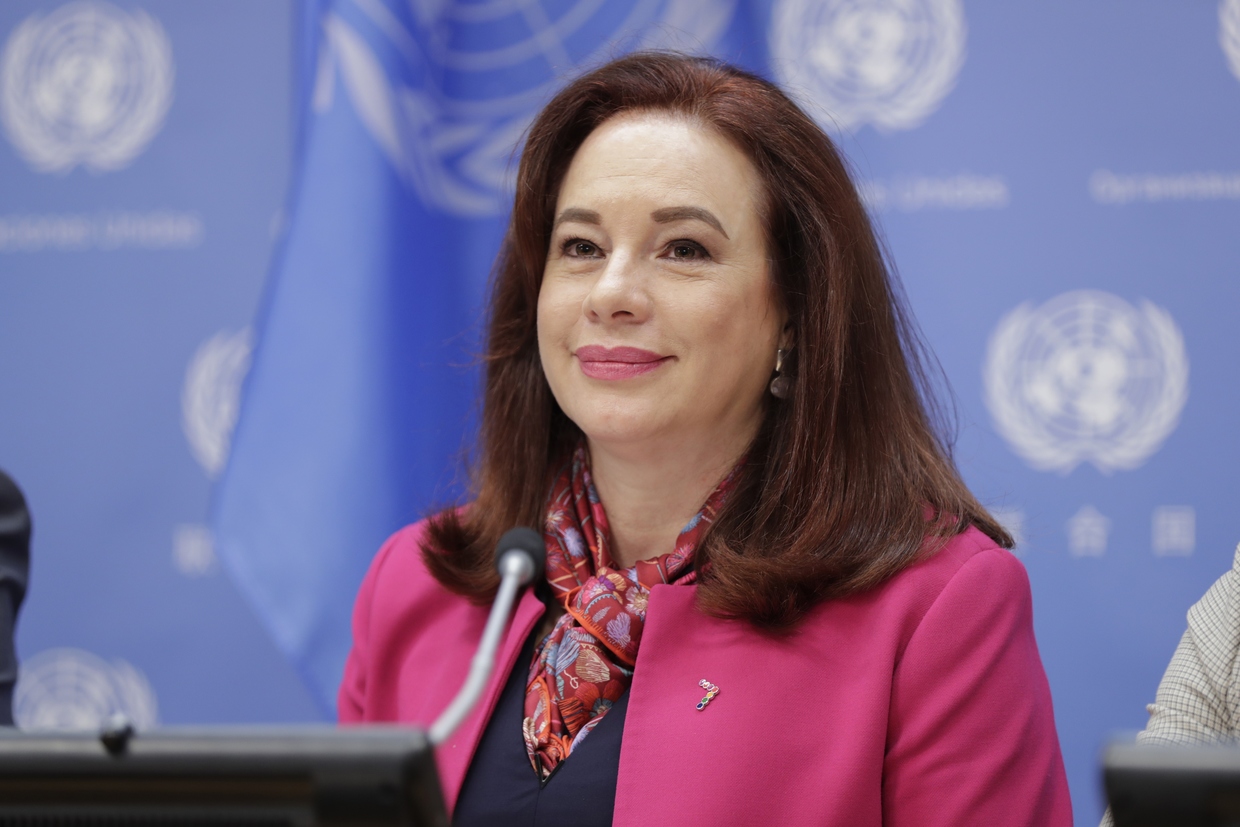
María Fernanda Espinosa Garcés, former president of the UN General Assembly. Photo: Getty Images / EuropaNewswire / Gado.
Nominated by Antigua and Barbuda, María Fernanda Espinosa Garcés previously served as Ecuador's foreign and defence minister and presided over the UN General Assembly between 2018 and 2019.
Her proposals include establishing a specialist team reporting directly to the secretary-general to identify emerging conflicts and opportunities for preventive diplomacy.
She has also advocated strengthening the UN's response to transnational organised crime, particularly in Latin America and the Caribbean.
Espinosa received two favourable votes in November, including one from a permanent Security Council member.
Twelve members indicated opposition, including three permanent members, while one expressed no opinion.
Ivonne A-Baki — Ecuador
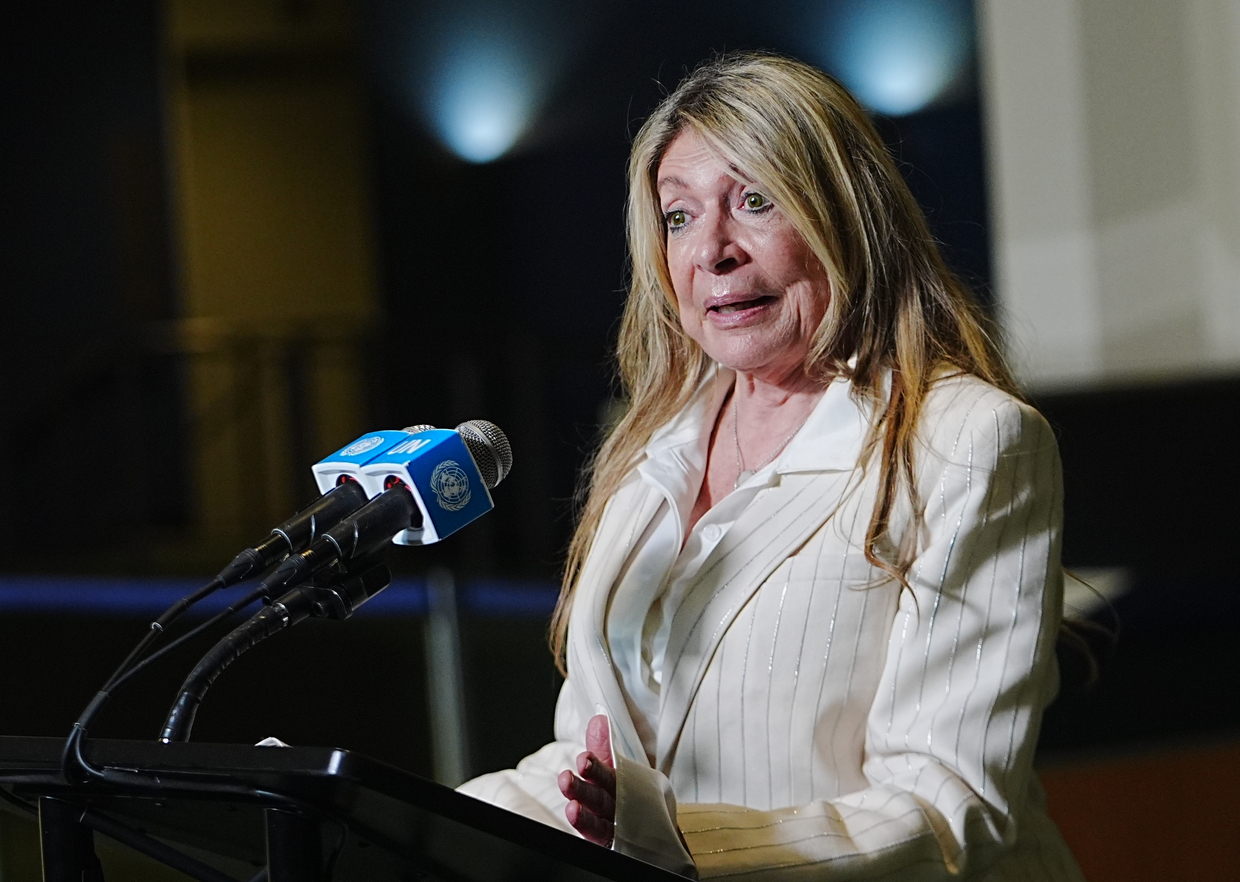
Ivonne A-Baki of Ecuador, candidate for United Nations secretary-general. Photo: Getty Images / Selcuk Acar / Anadolu.
Former Ecuadorian foreign trade minister and ambassador to the United States, Ivonne A-Baki has advocated a more direct approach to international conflict resolution.
Drawing on her involvement in diplomatic efforts during the 1995 border conflict between Ecuador and Peru, she has indicated that she would personally engage with leaders in conflict zones to facilitate negotiations.
A-Baki has also expressed support for US President Donald Trump's operation targeting Venezuelan President Nicolás Maduro and indicated a willingness to cooperate with Trump's Board of Peace.
She received just one favourable vote in the November ballot, with 13 Security Council members indicating opposition, including four permanent members.
The remaining permanent member expressed no opinion.
The Numbers Behind the Deadlock
The following figures reflect the informal Security Council ballot conducted on 20 November 2026, as reported by RT.
| Candidate |
Country |
Favourable votes |
Permanent members indicating opposition |
| Rebeca Grynspan |
Costa Rica |
10 |
2 |
| Rafael Grossi |
Argentina |
8 |
3 |
| Lana Nusseibeh |
UAE |
7 |
3 |
| Carolyn Rodrigues Birkett |
Guyana |
6 |
2 |
| Feridun Hadi Sinirlioğlu |
Türkiye |
5 |
4 |
| Olara Otunnu |
Uganda |
3 |
5 |
| María Fernanda Espinosa Garcés |
Ecuador |
2 |
3 |
| Ivonne A-Baki |
Ecuador |
1 |
4 |
Although Grynspan has exceeded the nine-vote threshold required for a formal recommendation, opposition from permanent Security Council members remains a significant obstacle.
These informal ballots are intended to identify potential consensus candidates. They are not binding votes, and indications of opposition do not constitute formal vetoes.
Could the United Nations Face a Leadership Vacuum?
With Guterres scheduled to leave office at the end of December, the continuing deadlock raises questions about what arrangements might be necessary if a successor cannot be appointed in time.
According to earlier Reuters reporting cited by RT, UN officials have been developing contingency plans for a possible leadership vacuum.
Read the related original report: UN officials draw up plans for possible leadership vacuum — Reuters.
The inability of the world's major powers to agree on the organisation's next leader also illustrates the institutional challenges confronting the United Nations itself.
An organisation established to promote international cooperation remains dependent upon agreement between five permanent Security Council members whose strategic interests frequently conflict.
Does This Affect New Zealand?
New Zealand was a founding member of the United Nations in 1945 and has historically supported multilateral diplomacy, international law and collective security.
As a relatively small nation without the military or economic influence of the world's major powers, New Zealand has a considerable interest in international institutions that recognise the sovereignty and rights of smaller countries.
The appointment of the next secretary-general could influence the UN's direction on international security, climate policy, sustainable development, humanitarian assistance and institutional reform.
It also raises broader questions about how effectively New Zealand's interests are represented within international organisations and the extent to which international policy frameworks influence domestic decision-making.
For New Zealanders, the leadership contest provides an opportunity to examine not only who will lead the United Nations, but also what powers, responsibilities and accountability mechanisms the organisation should possess.
The fundamental challenge remains whether the United Nations can operate as an effective and impartial international institution when its most powerful members disagree on the principles and policies that should guide it.
With Guterres' departure approaching, the next round of voting will provide another indication of whether those differences can be reconciled.
Sources