What many New Zealanders see as a garden ornament, souvenir, or discarded shell is being transformed into luxury products for some of the world's most exclusive brands and customers.
A Southland-based company is exporting an estimated one million pāua shells annually, supplying international markets that value the iridescent shell as a premium decorative material for jewellery, luxury packaging, furniture, fashion accessories and even royal palaces.
The story highlights a striking contrast between local perceptions of pāua shells and the extraordinary demand emerging from overseas luxury markets.
A Global Luxury Product Hidden In Plain Sight
Ocean Shell Ltd, based in Riverton, has spent decades building international markets for New Zealand pāua shell.
According to owner Nina Shields, many New Zealanders underestimate the value attached to the shell overseas.
"People think it's abundant, whereas outside of New Zealand, people really value it. They think it's magical," she told RNZ.
The company now exports shells and shell-derived products to customers around the world, including luxury brands and high-end manufacturers seeking natural materials with unique visual characteristics.
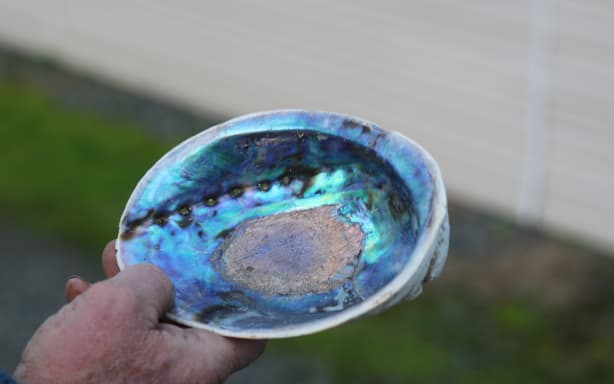
A pāua shell. Photo: RNZ / Katie Todd
From Riverton To Royal Palaces
The business traces its growth back to founder Bruce Shields, who recognised an opportunity in the early 1990s when others largely overlooked the commercial potential of pāua shell.
Over time the company expanded into international processing and manufacturing networks, supplying factories throughout Asia before products are returned and transformed into finished goods.
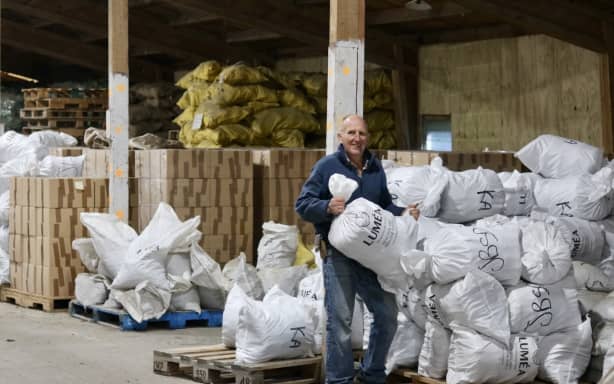
Bruce Shields, founder of Ocean Shell Ltd. Photo: RNZ / Katie Todd
Today, New Zealand pāua can be found in:
- Luxury furniture inlays
- Designer jewellery
- Fashion accessories
- Premium packaging
- Decorative architectural installations
One of Ocean Shell's customers reportedly supplies interior fit-outs for Oman's royal family, where pāua is used extensively as a decorative material.
More Than Just Souvenirs
The applications for shell products continue to expand.
Pāua and mother-of-pearl materials are being transformed into veneer sheets used in furniture, decorative surfaces and specialty crafts.
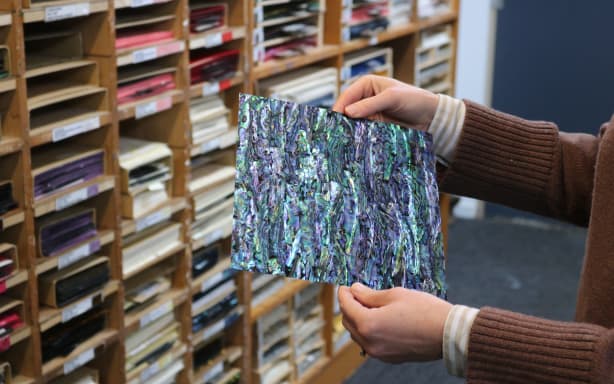
Pāua shells transformed into a veneer sheet for crafts, furniture, jewellery and other purposes. Photo: RNZ / Katie Todd
The company also processes other shell varieties from around the world, producing materials used in buttons, cosmetics, decorative products and specialist industrial applications.
According to Shields, even shell powder has found uses ranging from cosmetics to medical products.
Supply Becoming The Biggest Challenge
While demand remains strong, supply has become increasingly constrained.
Ocean Shell says it could sell significantly more pāua shell if more material were available.
The company reports its annual shell exports have fallen from approximately 200 tonnes to around 100 tonnes in recent years.
Several factors appear to be driving the decline:
- Sustainability restrictions on harvesting
- Reduced shell availability
- Rising exports of live pāua directly to overseas markets
- Regulatory limits on shell collection and resale
A growing proportion of harvested pāua is now exported live to Asia rather than processed domestically.
The Regulatory Debate
One of the most intriguing aspects of the story centres on New Zealand's rules surrounding recreationally harvested seafood.
Current regulations prevent the sale of recreationally harvested pāua, a policy designed to discourage overfishing and protect marine resources.
The rules are explained in RNZ's earlier report on shellfish collection regulations around New Zealand.
However, Shields argues there may be opportunities to safely utilise naturally beached shells that currently go unused.
The Chatham Islands Example
A special arrangement already exists on the Chatham Islands.
Under that model, naturally washed-up pāua shells can be collected and sold, with proceeds supporting local infrastructure and community initiatives.
Ocean Shell estimates that if a similar approach were adopted nationwide, community organisations could potentially access hundreds of thousands of dollars annually for local projects.
The company estimates around 300,000 shells per year could potentially be recovered under such a system.
"Money Lying On The Ground"
The debate ultimately comes down to how New Zealand views one of its most distinctive natural resources.
To many New Zealanders, discarded pāua shells remain little more than decorative objects.
To international buyers, they are increasingly valuable luxury materials.
For Ocean Shell, that disconnect represents a missed opportunity.
As demand continues to rise and supply becomes tighter, the company believes New Zealand may eventually revisit whether naturally beached shells could become a legitimate source of funding for community projects while still maintaining sustainability safeguards.
Until then, what some call "blue gold" will continue to wash ashore unnoticed on many of New Zealand's beaches.
Katie Todd
Radio New Zealand
Additional RNZ references: