Previously classified Soviet records have provided new details of a mass execution carried out by Japanese occupation authorities in Hailar, Manchuria, on August 9, 1945 — the same day the Soviet Union launched its offensive against Japan in the Far East. According to the documents released by Russia’s Federal Security Service, 43 prisoners were killed, many by beheading, before the Japanese occupation regime collapsed.
INR Report: Based on reporting and archival material published by RT HERE. The underlying records cited by RT were compiled by Soviet military counterintelligence service SMERSH and have now been partially declassified by Russia’s Federal Security Service (FSB).
The final weeks of the Second World War produced some of the most rapid and violent changes of the entire conflict. Nazi Germany had surrendered in May 1945, but the war against Imperial Japan continued.
On August 9, 1945, the Soviet Union entered the war against Japan and launched a massive offensive into Manchuria, then occupied by Japan and governed through the puppet state of Manchukuo.
On that same day, according to newly released Soviet archival records reported by RT, Japanese occupation authorities in the city of Hailar carried out the summary execution of dozens of prisoners suspected of pro-Soviet sympathies.
The killings occurred at a secret police prison rather than on the battlefield.
The records were compiled after Soviet forces entered the area by SMERSH, the Soviet military counterintelligence organisation. Russia's FSB has now declassified and released approximately 20 percent of the investigation, according to the source report.
Hailar and the Soviet Offensive
Hailar, today part of China's Inner Mongolia Autonomous Region, had a population of around 40,000 at the time and became the scene of intense fighting during the Soviet advance.
A major Japanese fortified complex had been constructed there using forced Chinese labour during the occupation. The location has subsequently become a memorial park.
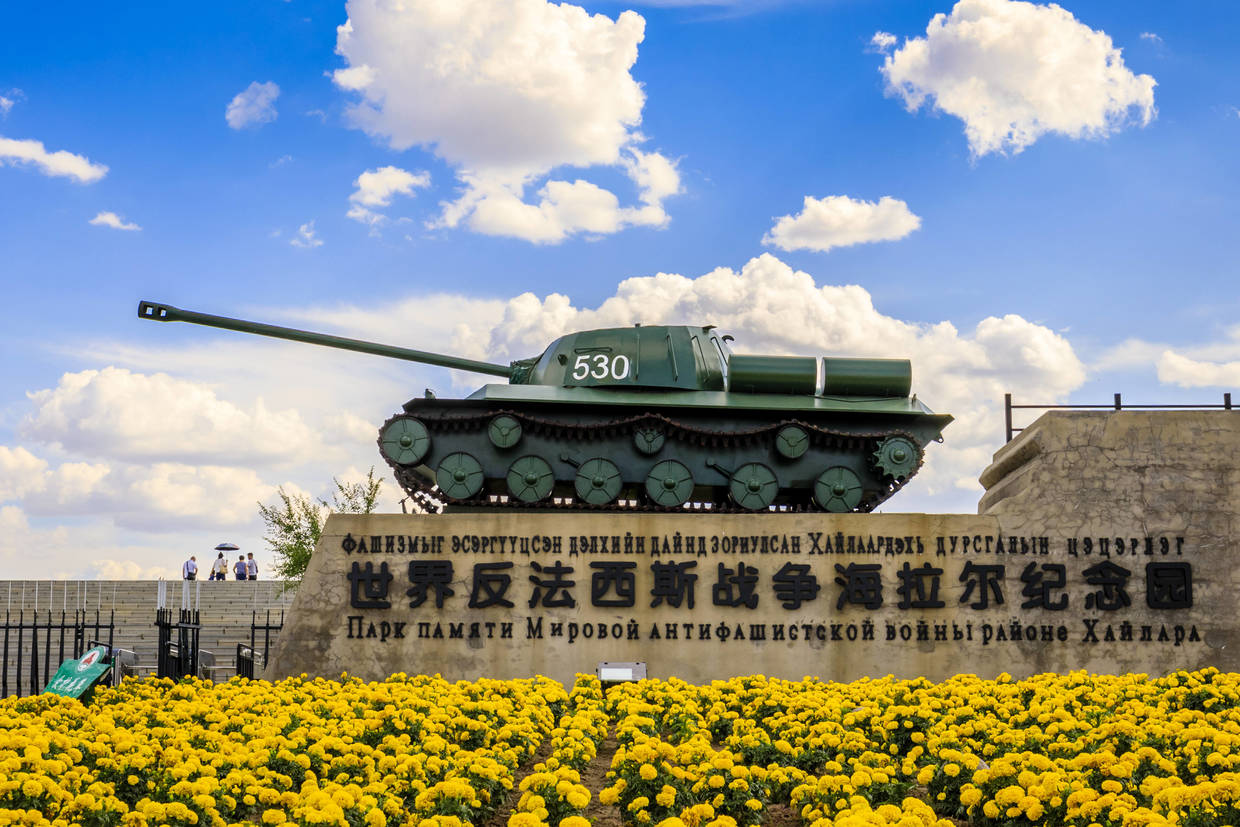
The World War II memorial park in Hailar district, 2017. Photo: Legion-Media / Imaginechina-Tuchong
The Soviet Union and Japan had largely avoided direct warfare for much of World War II despite belonging to opposing camps.
Soviet and Japanese forces had fought a major border conflict culminating at Khalkhin Gol in 1939, after which Moscow concentrated its military resources against Nazi Germany while Japan increasingly focused its expansion southwards and ultimately fought the United States and other Allied powers across the Pacific.
Following Germany's defeat, that strategic equation changed.
The Soviet Union had also undertaken to its Allied partners to enter the Pacific war. Soviet forces subsequently launched their offensive into Japanese-controlled Manchuria in August 1945.
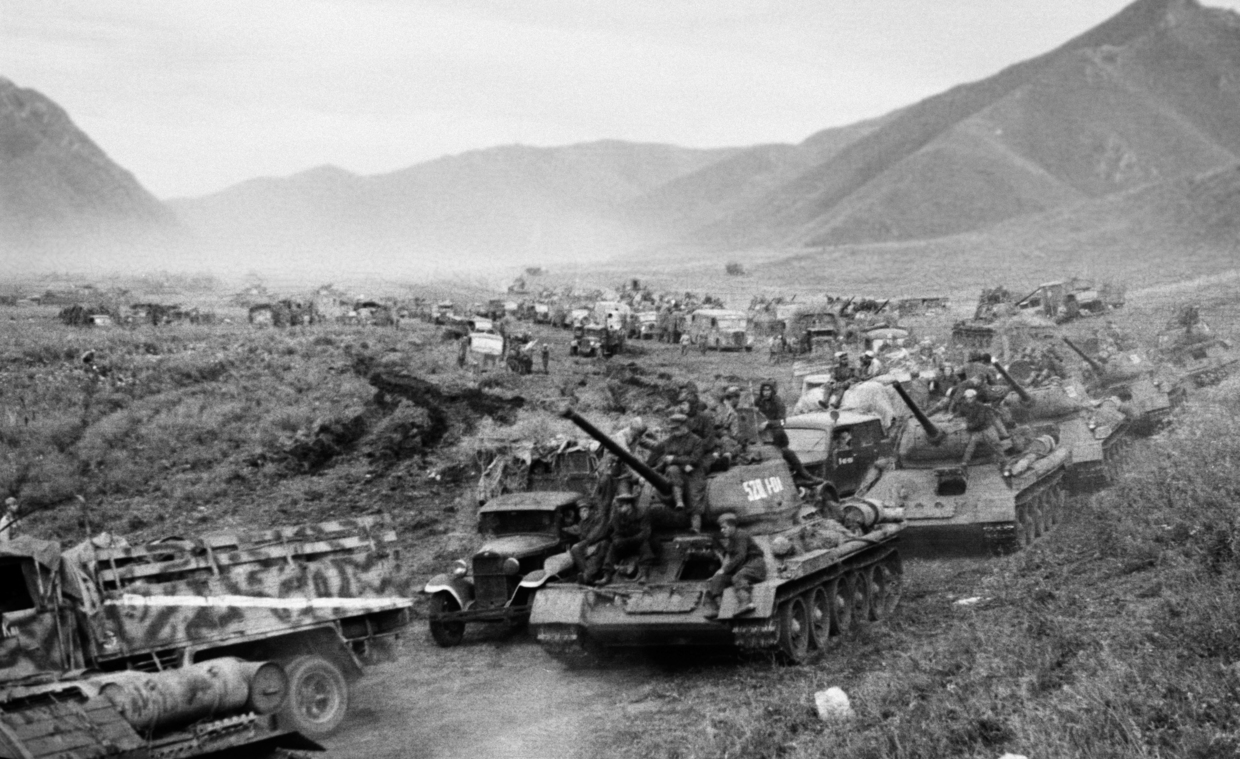
Soviet forces during the Manchurian offensive in August 1945. Photo: Sputnik / Semyon Raskin
Battle-hardened Soviet forces rapidly overwhelmed Japan's Kwantung Army in Manchuria.
Japan announced its surrender in August 1945, bringing the Second World War to an end.
What Happened at Hailar?
According to the newly released documents, Japanese authorities had begun compiling lists of Soviet citizens and other suspected “subversives” in Manchukuo during 1944 as the possibility of war with the Soviet Union increased.
Arrests followed.
When the Soviet offensive began on August 9, another wave of arrests was accompanied by executions.
The organisation identified in the Soviet records was the Tokumu Kikan, or Special Service Organizations — Japanese military-intelligence units engaged in intelligence, counterintelligence and covert operations.
According to the documents cited by RT, Lieutenant Colonel Amano Isamu, head of the Tokumu Kikan branch in Hailar, ordered 43 people killed on August 9, 1945.
Japanese-controlled local police were also reportedly involved.
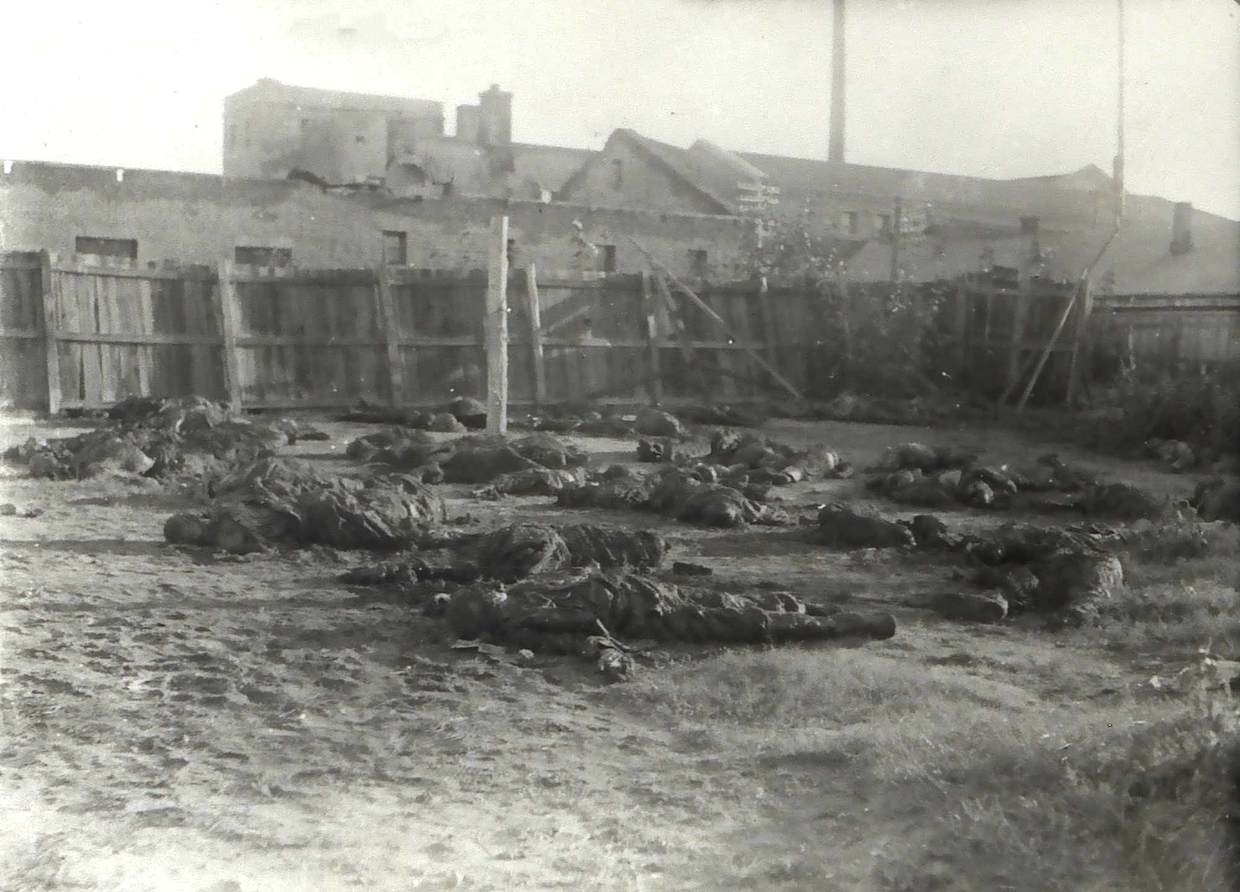
Bodies of Hailar massacre victims after exhumation of mass graves. Photo: FSB
Three weeks later, after Japanese authority in the region had collapsed, residents exhumed the victims so families could bury their relatives.
SMERSH investigators subsequently examined the killings and concluded that many of the victims were Soviet citizens living in Hailar.
More Than 100 Pages of Evidence
The Soviet investigation was overseen locally by Major General Pyotr Popov, the SMERSH commander in Hailar.
According to RT's account of the newly released archive, Popov's complete report contained more than 100 pages of documentation together with photographs.
The FSB has released only part of that material.
The declassified records reportedly include medical examiner findings, witness and suspect interrogations, descriptions of the secret prison and reports sent by Popov to Moscow as investigators reconstructed what had occurred.
One of the archival photographs is a graphic forensic image of a decapitated victim.
Editor's note: The following historical archival image contains graphic content.
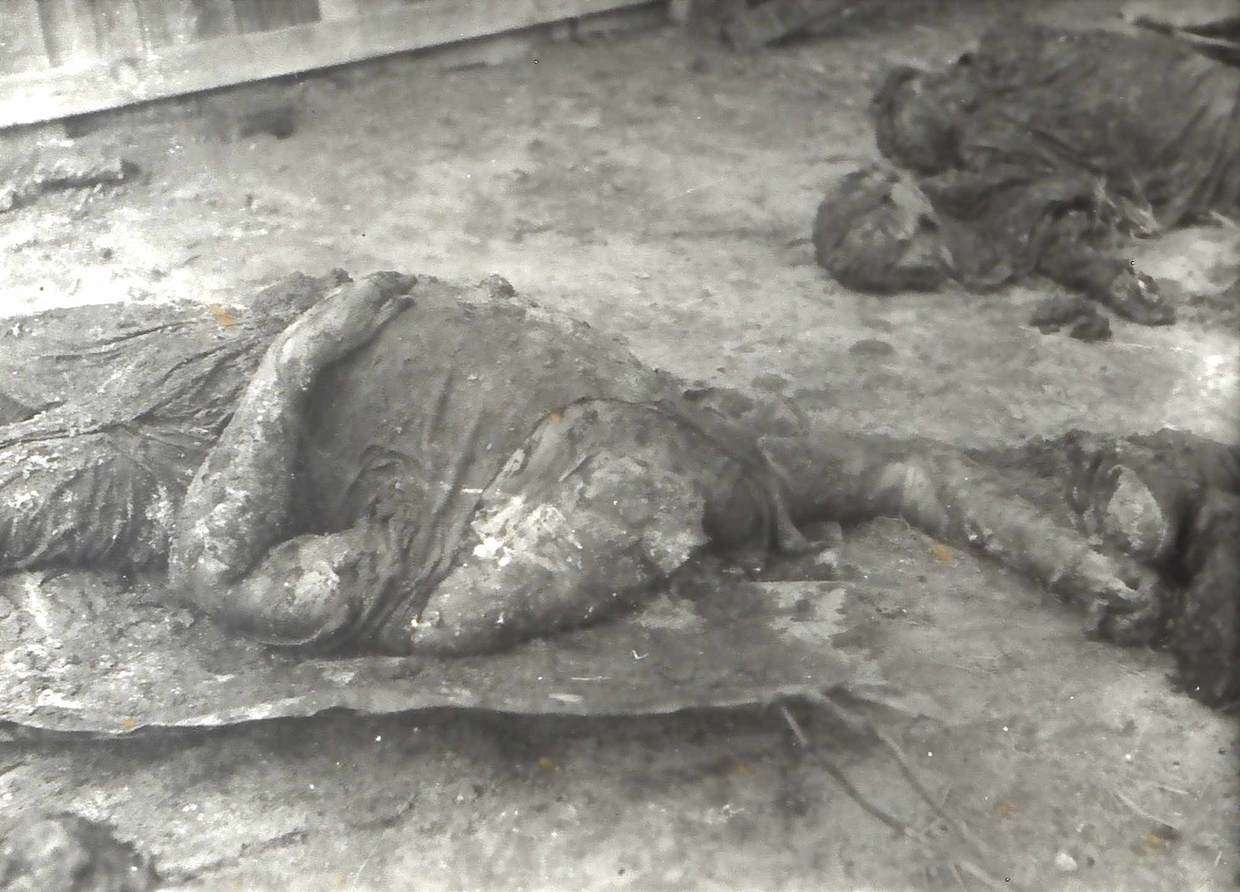
A close-up of a decapitated body found in Hailar. Photo: FSB
The forensic findings cited in the records indicate that the victims were killed through beheading and that the nature of the wounds suggested at least one executioner was highly skilled with a sword.
Some victims had not been completely decapitated, with the head remaining partially attached.
RT draws a comparison with a highly specialised sword technique associated historically with the assistant in ritual seppuku. However, the Soviet investigators themselves apparently did not make that cultural interpretation.
That distinction is important: the forensic evidence concerns the nature of the injuries; the explanation of why that particular technique may have been used is interpretation offered in the source article.
Who Were the Victims?
The documents describe two mass graves that had been opened by local residents.
Nineteen bodies had reportedly not yet been buried when Soviet investigators arrived, allowing formal post-mortem examinations to be conducted.
According to the released records, those killed were identified as ethnic Russians and Jews, with the exception of one Mongol man.
Evidence was also found inside the prison itself.
Messages written on cell walls included prisoners' names, dates and biographical information, together with allegations of torture, starvation and deaths inside the facility.
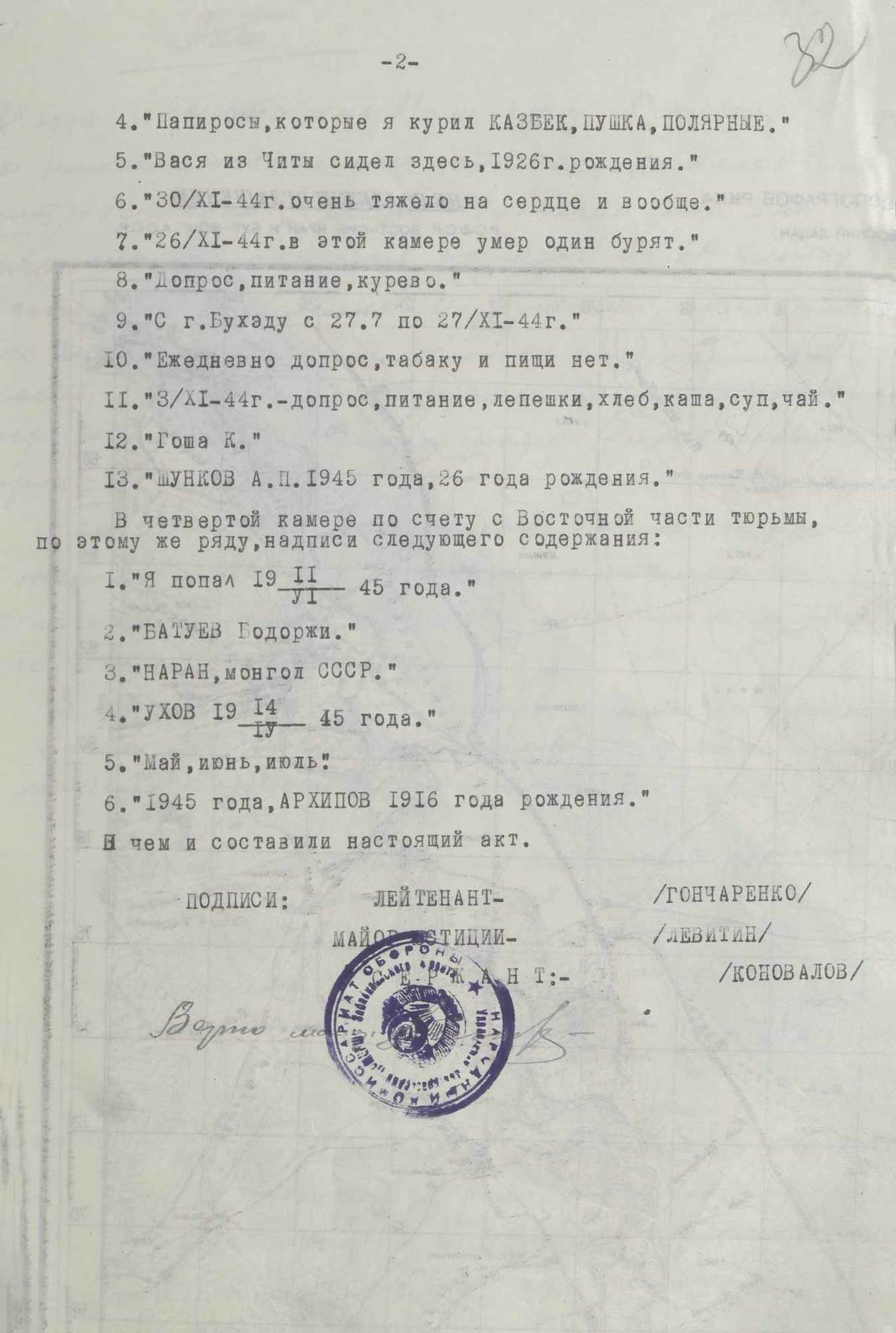
A Soviet report quoting notes found on the walls of prison cells in Hailar. Photo: FSB
One message attributed to a young prisoner named Vinokhodov indicated sympathy for the Soviet cause and appeared to have been written as a farewell.
These fragments provide a rare personal dimension to an investigation otherwise dominated by military reports, interrogations and forensic records.
The Sword and Imperial Japan
The archival evidence concerning beheading also places the Hailar killings within a wider and deeply controversial history of Japanese wartime violence.
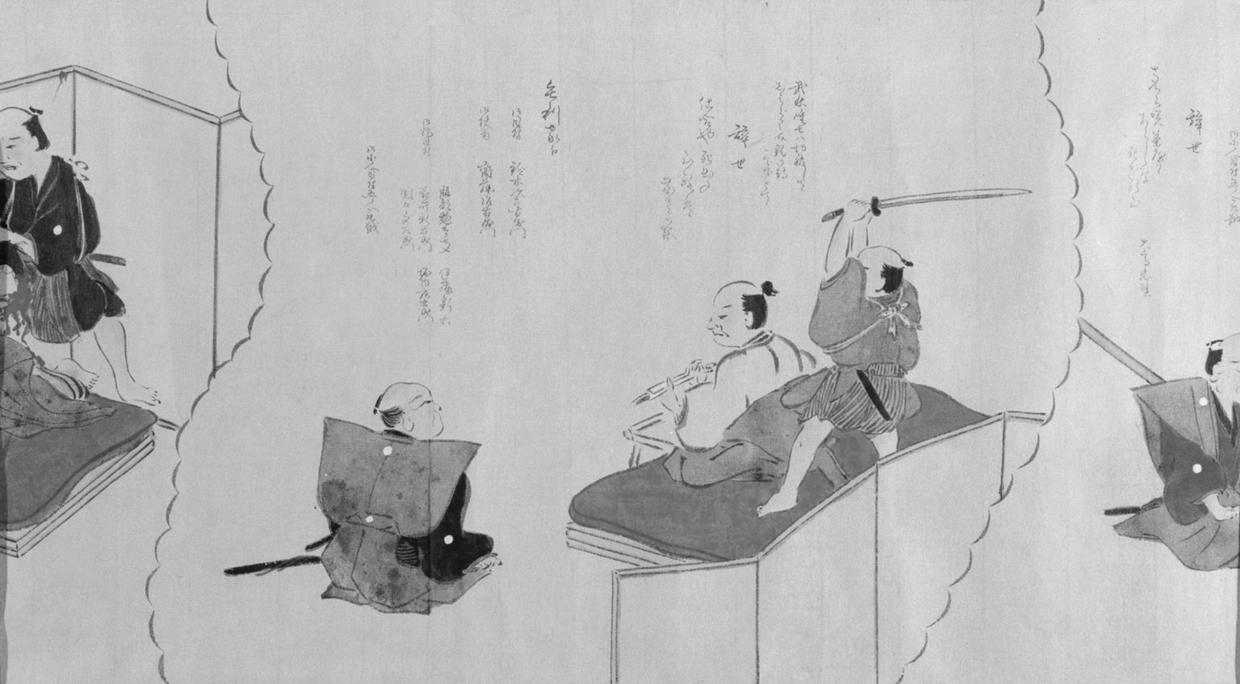
A handscroll painting depicting a seppuku. Photo: Legion-Media / BBM
Traditional seppuku had long since been outlawed by 1945 and there is no evidence in the released material that the prisoners at Hailar were being afforded any form of ceremonial death.
RT argues that the execution technique may instead have reflected the swordsmanship of the person carrying out the killings.
The article also draws a historical parallel with the notorious “hundred-man killing contest” reported by Japanese newspapers during the 1937 Nanking campaign.
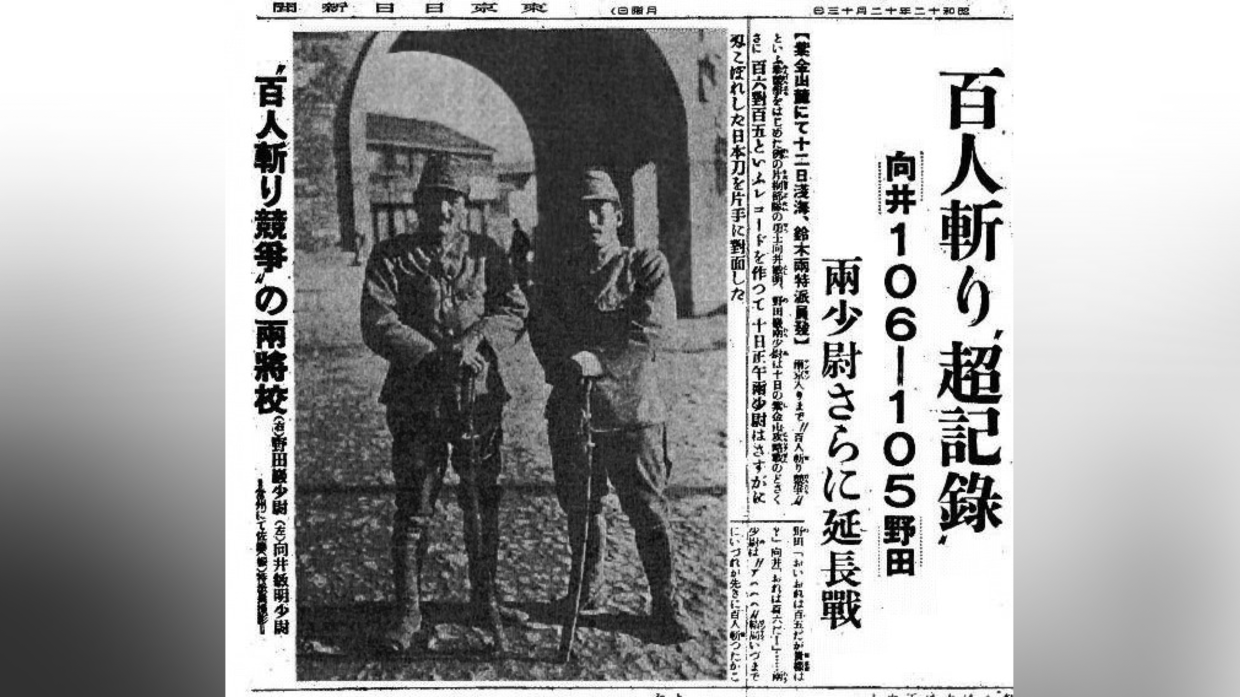
A contemporary Japanese media report about the “hundred-man killing contest”. Image: Shinju Sato / Wikimedia Commons / Public Domain
Contemporary Japanese newspaper reports portrayed that episode as a competition between two officers killing enemy soldiers with swords.
Later historical research has challenged that wartime portrayal, concluding the victims were likely prisoners rather than combatants.
What Happened to Those Responsible?
Soviet authorities prosecuted Japanese military and police personnel accused of involvement in the Hailar arrests and executions.
In November 1945, a Soviet military tribunal sentenced several to death.
According to the records cited by RT, Tokumu Kikan chief Amano Isamu and Major General Haseki Kageyama, head of the provincial gendarmerie, were among those subsequently executed by firing squad.
The source article contrasts their fate with that of some other members of Japan's wartime intelligence establishment who later became useful to the United States as confrontation with the Soviet Union replaced the wartime alliance.
One example was Japanese intelligence figure Arisue Seizo.
US Major General Charles Willoughby, intelligence chief under General Douglas MacArthur, subsequently recruited Arisue and other Japanese intelligence personnel as the emerging Cold War shifted American priorities towards containing communism in Asia.
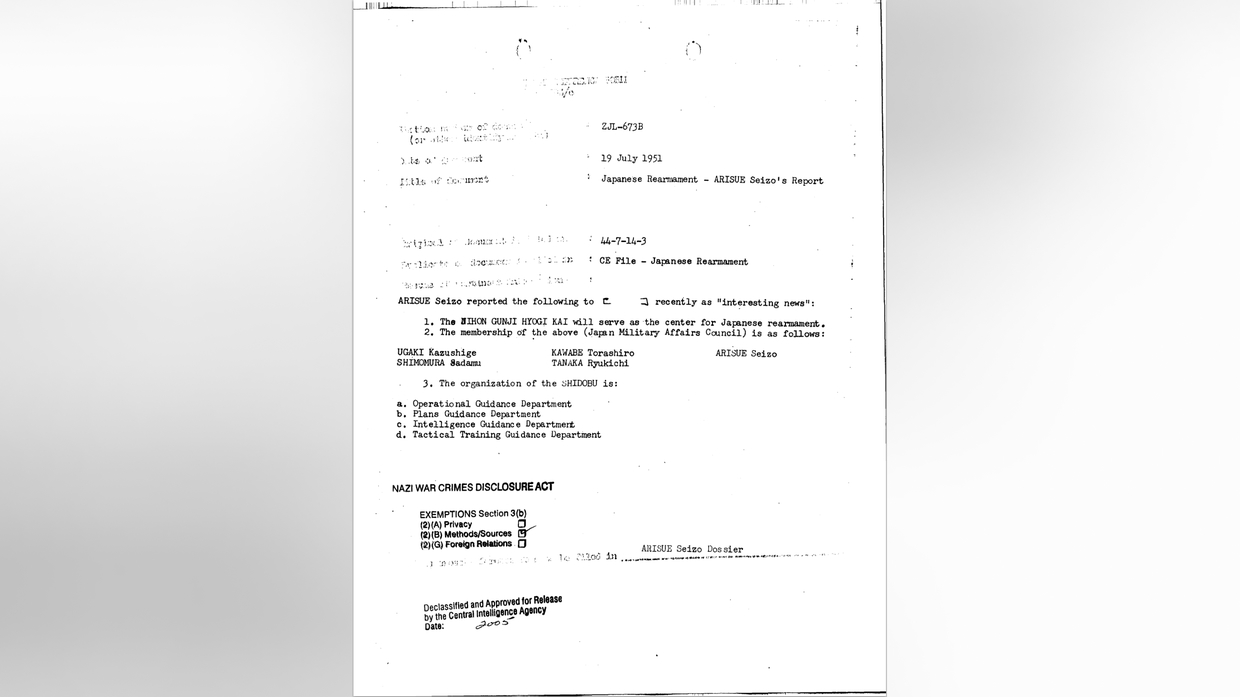
A declassified report from Arisue Seizo from CIA archives. Photo: CIA archives
This post-war recruitment of former enemy intelligence personnel was not unique to Asia. The rapidly developing confrontation between the Western powers and Soviet Union repeatedly led wartime intelligence expertise to acquire new strategic value.
Why Were Russians Living in Manchuria?
The presence of Russian and Soviet citizens in Manchuria reflected decades of migration, revolution and geopolitical competition.
Imperial Russia became heavily involved in Manchuria during the late 19th century, particularly through railway construction and attempts to expand commercial access to China.
Russian influence declined following defeat in the Russo-Japanese War and the subsequent collapse of the Russian Empire.
After the Bolshevik Revolution, Manchuria — particularly Harbin — became home to a politically diverse Russian émigré population.
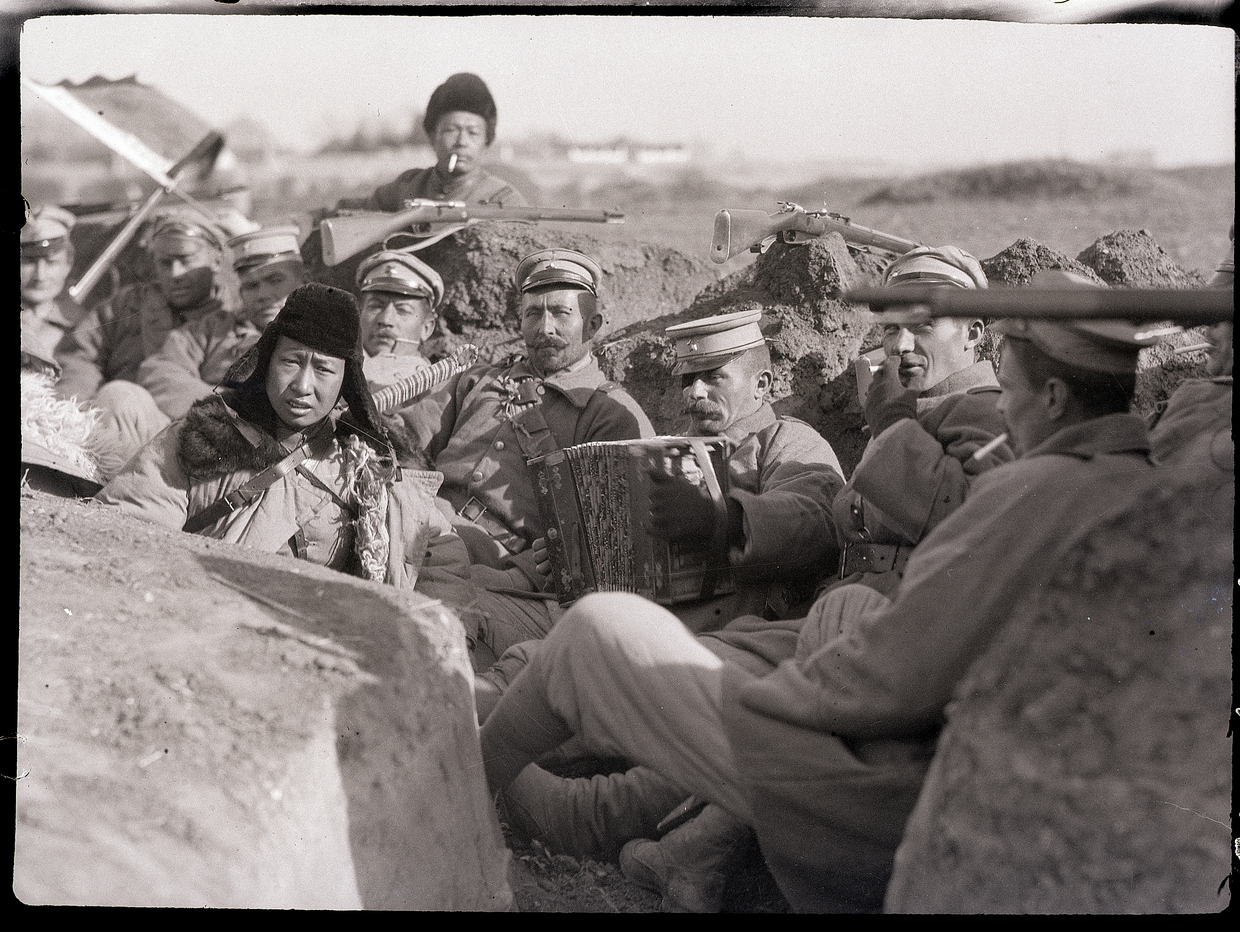
Russian and local Chinese forces in Manchuria in 1927. Photo: Getty Images / Bettmann
Some were Soviet citizens or sympathisers. Others were fiercely anti-communist refugees from Bolshevik rule.
A smaller but significant political movement among Russian émigrés embraced fascism and regarded cooperation with Imperial Japan as a potential means of eventually overthrowing the Soviet government.
According to historian Sergey Smirnov, as quoted by RT, around 120,000 people in the region during the 1920s were either Soviet citizens or sympathetic towards the Soviet state, while more than 100,000 held opposing views.
The newly released records illustrate how those divisions could become lethal under Japanese occupation.
Where Are the Records Now?
The archival record of the events is divided between three Russian institutions.
The Central Archives of the Federal Security Service holds interrogation transcripts, personnel records and background declarations involving Japanese officers and medical personnel.
The Russian State Military Archive holds operational records covering the Red Army's Trans-Baikal offensive into Manchuria.
The State Archive of the Russian Federation holds state records, evidence collections and legal documentation relating to Japanese personnel prosecuted by Soviet authorities for crimes against humanity in northeast China.
Only part of the Hailar investigative material has been made public, meaning the newly released records represent an incomplete archival picture.
That is particularly important when assessing historical material released by a government institution: the documents may constitute primary evidence, but researchers still need access to the broader archive, provenance and corroborating sources to establish the fullest possible historical account.
Does This Affect New Zealand?
The Hailar massacre has no direct New Zealand connection identified in the material released by the FSB, but the history surrounding it does.
New Zealand was an Allied combatant against Imperial Japan in the Pacific War, and Japan's surrender in August 1945 ended a conflict that had presented a direct strategic threat to New Zealand and profoundly reshaped security across the Asia-Pacific.
The newly released documents also illustrate why archival transparency remains important eight decades later.
War crimes are ultimately historical claims that must rest on evidence: orders, photographs, forensic examinations, witness statements, military records and judicial proceedings. Declassification allows those claims to be examined rather than simply repeated.
In this instance, however, the material has been selectively released by Russia's FSB and presented internationally through RT. That does not make the underlying records false, but it does make provenance, completeness and independent historical examination important.
The strongest conclusion is therefore also the simplest.
The newly released documents add disturbing primary-source material to the historical record of the final days of Japanese rule in Manchuria — but with approximately four-fifths of the SMERSH file reportedly still unpublished, the archive itself has more to reveal.
Source: RT, 2 September 2026 — Japanese WWII crimes revisited: Soviet files detail mass beheadings in Manchuria. Based on newly released archival records from Russia's Federal Security Service and the Soviet SMERSH investigation. All original source images, captions and credits retained above.
Independent reporting. Original context. Credited sources.