New Zealand’s alcohol consumption has fallen to its lowest recorded level, with younger generations increasingly turning away from drinking and low- or no-alcohol alternatives gaining ground. The shift may be positive from a health perspective, but it comes as hospitality businesses face rising costs, widespread closures and profound changes in how younger New Zealanders socialise.
eLocal Report: Based on reporting by Adam Burns for RNZ HERE
New Zealanders are drinking less alcohol than at any previous point recorded in the latest figures, with hospitality operators pointing particularly to changing attitudes among younger people.
Stats NZ data reported by RNZ shows total alcohol consumption per capita fell below seven litres of pure alcohol for the first time in the year ending June.
The decline places New Zealand’s per-capita consumption among the lowest across OECD countries.
Behind the headline number appears to be a combination of generational change, greater health awareness and household financial pressure. At the same time, the decline is adding another challenge for a hospitality industry already dealing with difficult economic conditions.
Hospitality Feeling the Pressure
The changing drinking habits arrive during an exceptionally difficult period for hospitality.
More than 420 hospitality companies entered liquidation during the past year, according to figures cited by RNZ — a 42 percent increase from the preceding 12 months.
Another 2900 hospitality businesses ceased trading altogether, an increase of almost 40 percent.
Yet Christchurch operators told RNZ that conditions in the central city appeared somewhat stronger than the national picture.
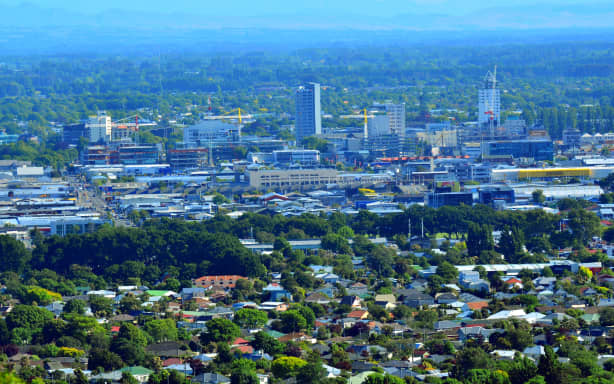
Hospitality businesses in Christchurch have pointed to changing habits among young people. Photo: 123RF
Dux Central operations manager Ross Herrick said business at the central Christchurch bar and restaurant had remained steady, with the nearby One New Zealand Stadium providing a significant boost on game days.
But another change has become increasingly obvious: customers are buying far more low- and non-alcoholic drinks.
Herrick described growth in those products as exponential and said the behaviour of younger customers was markedly different from that of previous generations.
“Young people aren't drinking anything like we used to,” he told RNZ.
Herrick estimated younger people accounted for only about 8 percent of his bar’s turnover.
Health and Money Are Changing the Night Out
Nearby Smash Palace owner Greg May similarly believes a generational shift is underway.

Smash Palace owner Greg May. Photo: RNZ / Louis Dunham
May told RNZ that younger people appeared more conscious of their health and increasingly recognised that alcohol was not necessarily compatible with that priority.
But lifestyle preferences are only part of the equation.
Households are also facing higher energy and housing costs, leaving less discretionary income available for activities such as eating and drinking out.
May said people were being forced to “cut their cloth where they can”.
That combination — health consciousness and financial restraint — may be reinforcing a cultural shift that was already taking place.
People interviewed by RNZ also pointed to cost-of-living pressures, greater understanding of alcohol’s negative effects and reduced enthusiasm among younger generations for traditional nights out.
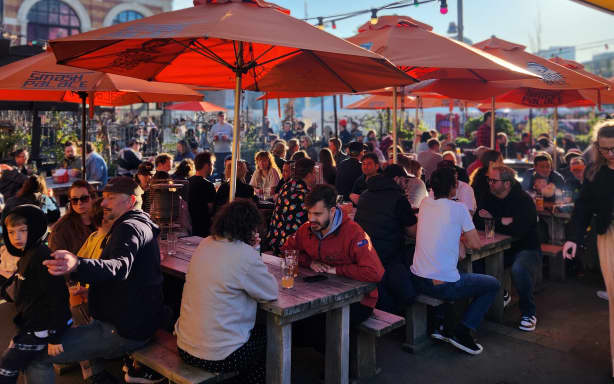
Patrons at central Christchurch bar and burger venue Smash Palace. Photo: Supplied
Beer Still Dominates
Despite overall consumption falling, beer remains New Zealand’s dominant alcoholic beverage.
According to the Stats NZ figures cited by RNZ, beer accounted for 59.7 percent of all alcohol available for consumption in 2026.
Wine represented 19.9 percent, with its share declining in recent years. RNZ has previously reported on the wider decline affecting the wine market, while spirits have increased their share.
The numbers suggest the story is therefore not simply one of consumers switching between different alcoholic beverages. Overall alcohol consumption itself is declining.
A Structural Change for Hospitality?
For hospitality operators, the bigger question is whether the decline represents a temporary response to economic pressure or a permanent generational change.
If younger New Zealanders continue drinking substantially less as they age, bars, restaurants and alcohol producers may face a structural change in their customer base rather than simply another economic cycle.
The rapid growth in low- and no-alcohol products offers one avenue for businesses to adapt. Venues may also become increasingly dependent on food, entertainment, events and experiences rather than alcohol sales alone.
Christchurch provides an interesting example. Operators interviewed by RNZ believe the city may be outperforming some other centres, with the new stadium generating additional foot traffic and major events helping bring customers into the central city.
That suggests the future of hospitality may depend increasingly on giving people a reason to go out that extends beyond drinking.
Does This Affect New Zealand?
Yes — and potentially well beyond the hospitality industry.
Record-low alcohol consumption may have long-term implications for public health, alcohol-related harm and household spending. But it also presents a significant commercial adjustment for businesses historically dependent on alcohol sales.
The most important question is whether the decline is predominantly economic or generational.
If consumption rebounds strongly as household finances improve, today's record low may prove partly cyclical. If younger New Zealanders retain their current attitudes toward alcohol throughout adulthood, however, the country may be experiencing a lasting cultural shift.
For hospitality, breweries, wineries and alcohol retailers, that distinction matters enormously.
The Government is currently reviewing the hospitality sector, with a Ministry for Regulation report expected in the coming weeks.
Whatever that review concludes, one trend is already difficult to ignore: New Zealanders are drinking less — and younger New Zealanders appear to be leading the change.
Source: Adam Burns, RNZ, 3 September 2026.
Independent reporting. Original context. Credited sources.