The government’s proposed social media ban for under-16s appears increasingly uncertain, with coalition tensions, legislative confusion and broader debates over online regulation now complicating National’s flagship child safety proposal.
Education Minister Erica Stanford says the government is still aiming to introduce legislation this year, but a promised update has now been delayed until June as wider policy work moves through Cabinet.
The proposal, initially promoted strongly by Prime Minister Christopher Luxon and National MP Catherine Wedd, has become entangled in disputes over privacy, enforcement, online freedoms and whether a ban alone would actually work.
National’s Original Plan Begins To Shift
Stanford told RNZ the government was now prioritising a broader programme targeting online harms rather than focusing solely on Wedd’s Member’s Bill.
“The government is steadily progressing with work on social media and online harm policy, and due to this, Catherine Wedd's Member's Bill is being deprioritised in place of wider work,” Stanford said.
“Parents and New Zealanders are acutely aware of the potential harms of social media.”
The shift appears to represent a softening of National’s earlier messaging around a straightforward age-based ban.
Prime Minister Christopher Luxon had previously suggested legislation would move before the election cycle concludes.
RNZ later clarified with the Prime Minister’s office that the commitment referred specifically to introducing legislation, not necessarily fully implementing a ban before voters return to the polls.
Coalition Tensions Emerging
A major obstacle remains coalition partner ACT, which has consistently opposed the proposal.
ACT argues the policy risks creating new privacy concerns, pushing teenagers into less regulated online spaces, and expanding government oversight of the internet.
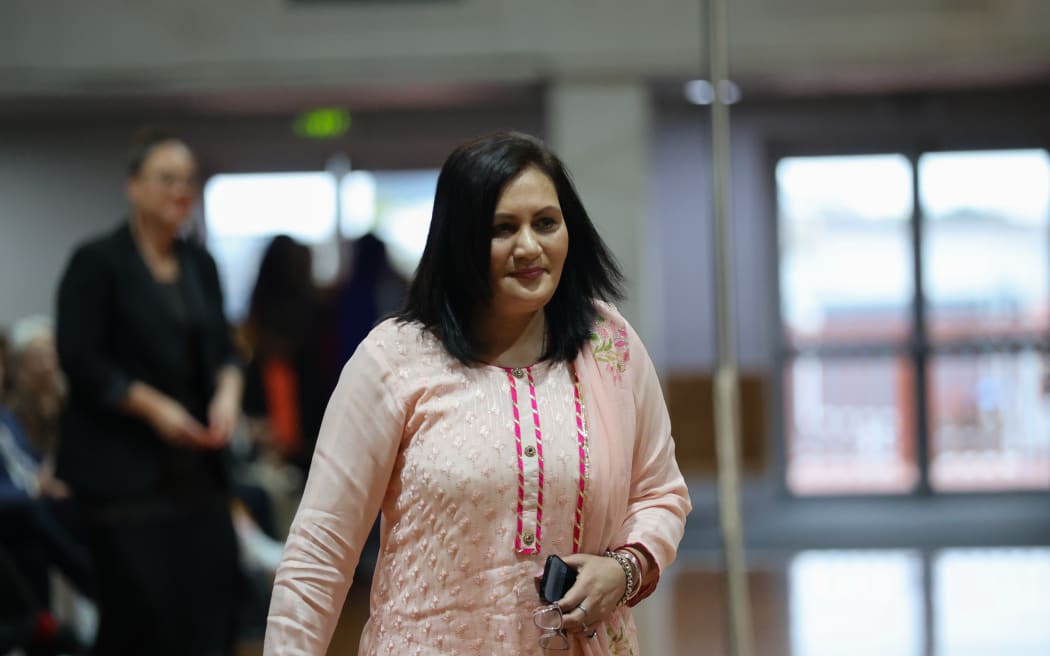
ACT Party spokesperson Parmjeet Parmar told RNZ the work done at select committee "was not done properly". Photo: RNZ / Blessen Tom
ACT spokesperson Parmjeet Parmar described the process as “a mess that needs to be tidied up.”
“It is clear that Erica Stanford had not thought through this properly before,” Parmar said.
ACT also warned that online age restrictions may simply drive younger users into harder-to-monitor digital environments.
“Actually, we will be pushing them into darker corners of internet, where there are fewer safeguards,” Parmar argued.
The disagreement highlights growing philosophical differences inside the coalition over regulation, digital freedoms and the role of government intervention online.
Catherine Wedd’s Bill Now In Limbo
The political confusion deepened after Catherine Wedd confirmed her own Member’s Bill had effectively been sidelined while Stanford develops separate government legislation.
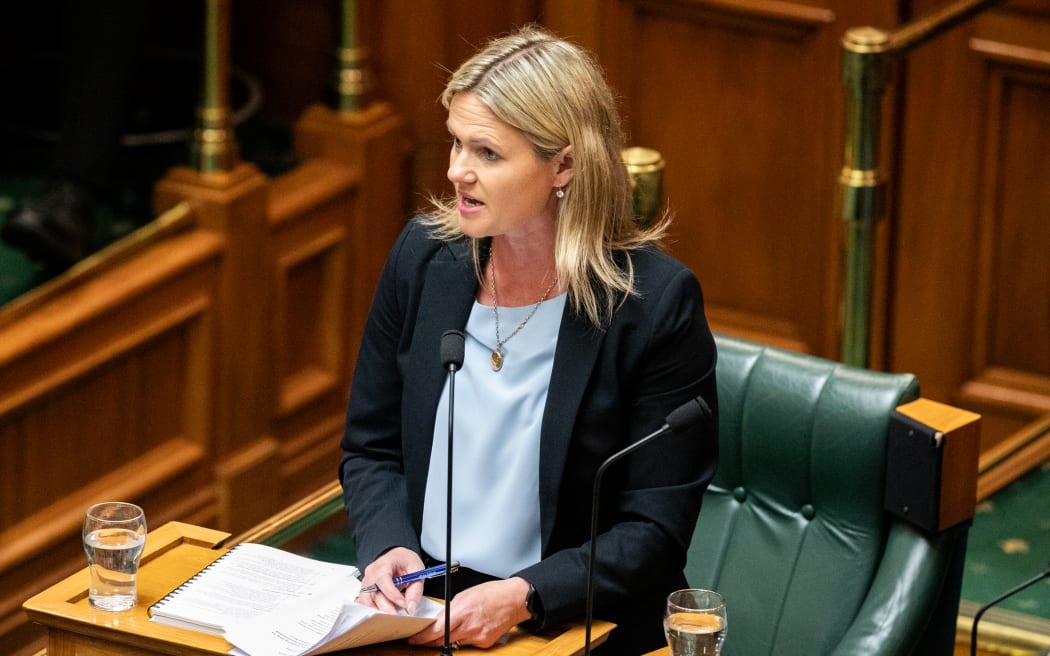
Catherine Wedd's member's bill has been delayed. Photo: VNP/Louis Collins
“My bill has been put on hold, while the minister is progressing a government bill and a broader piece of work,” Wedd said.
Neither Stanford’s office nor Wedd clarified whether the original Member’s Bill will now be formally withdrawn.
The situation has created uncertainty around exactly what type of legislation National now intends to pursue.
Labour and Greens Push Broader Regulation
Opposition parties have indicated some willingness to support restrictions, but both Labour and the Greens argue the issue requires much broader regulation than a simple age ban.
Labour MP Reuben Davidson said social media companies themselves should face stronger accountability measures.
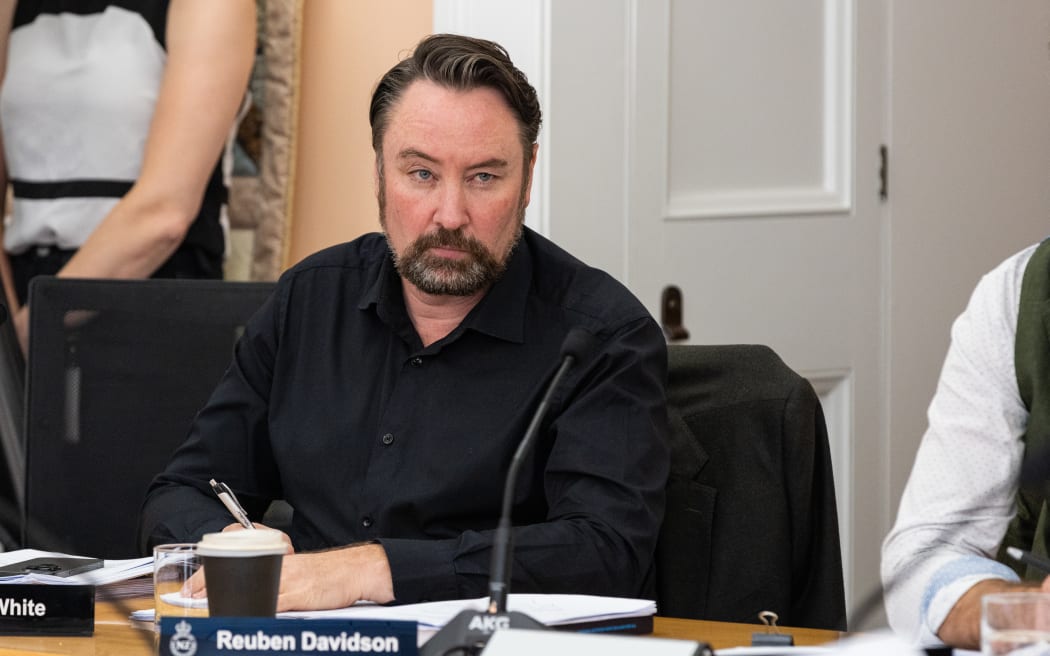
Labour's Reuben Davidson pledged support for Catherine Wedd's bill. Photo: VNP / Phil Smith
“On its own, we could support it, but we wouldn't expect it to solve all of the issues,” Davidson said.
Labour has proposed:
- Independent regulation of social media companies
- Greater platform transparency
- Mandatory “safety by design” systems
- Wider online harm protections
Green MP Tamatha Paul also questioned whether an outright ban could realistically be enforced in a highly decentralised digital environment.
She argued that social media also provides important support networks for isolated groups, including rainbow communities and disabled young people.
“Online spaces are not safe,” Paul said.
“There has to be something done, but I think an outright ban wouldn't have been effective.”
Wider Debate Over Internet Regulation
The debate reflects a broader international shift toward tougher scrutiny of social media companies and youth online safety.
Countries including Australia, the UK and parts of Europe have already begun tightening regulations around age verification, harmful content and platform accountability.
However, critics continue to warn that enforcing age restrictions online remains technically difficult and may introduce significant surveillance and privacy concerns.
Stanford has previously signalled that New Zealand may ultimately pursue a wider regulatory framework, potentially including:
- New digital safety legislation
- Independent regulators
- Platform accountability measures
- Child protection rules for online services
The government is expected to provide further details in June.
Source
Original reporting by RNZ Political Reporter Russell Palmer:
https://www.rnz.co.nz/news/political/595404/education-minister-erica-stanford-promises-update-on-social-media-ban-in-june