Two official investigations have found a series of serious failures by health services and police led to an 11-year-old autistic Māori girl being mistaken for an adult mental health patient, restrained, and injected with sedatives inside an adult psychiatric facility.
By eLocal Report
The findings, released by the Ministry of Health and the Health and Disability Commissioner (HDC), describe a chain of errors that culminated in a non-verbal child being admitted to Waikato Hospital's Henry Bennett Centre and treated as a 20-year-old woman who was subject to a compulsory mental health treatment order.
The girl's family say the experience has had a "lasting and traumatic impact" and have questioned how such a failure could have occurred.
Family Left Searching For Answers
In a statement released alongside the reports, the family said they could not understand how their daughter was mistaken for an adult, handcuffed by police and admitted to an adult mental health ward.
Once there, she was restrained and twice injected with sedative medications after refusing oral medication.
The family described the events as "inexplicable" and said there had been errors at every stage of the process.
For more than a year they have been seeking answers while dealing with the consequences of what happened to their daughter.
How The Misidentification Happened
The incident occurred in March 2025 after police found the child alone near a road and bridge early on a Sunday morning.
Officers initially described her as non-verbal and possibly autistic. When she was brought to Waikato Hospital, a member of the crisis team reportedly recognised that she appeared to be a child and should not be admitted to the Henry Bennett Centre.
Hospital staff initially kept her under the care of the emergency department.
However, police later contacted an organisation that had previously cared for an adult mental health patient known as "Patient B". An officer believed a staff member had confirmed the child's identity as Patient B, although the staff member later disputed that any firm identification had been made.
The officer subsequently provided Patient B's name and date of birth to hospital staff.
From that point onward, assumptions appear to have compounded.
The child was transferred into the care of mental health services, with staff believing her identity had already been confirmed.
Identity Checks Were Not Followed
The Ministry of Health investigation concluded that the central failure was Health NZ staff not following the established process for confirming the identity of patients who are unable to identify themselves.
The report found that not all staff were aware of the policy and that responsibilities for confirming identity were not clearly understood.
While police actions contributed to the confusion, investigators concluded responsibility for confirming a patient's identity ultimately rested with the hospital.
The report stated that responsibility "could not be delegated to the police".
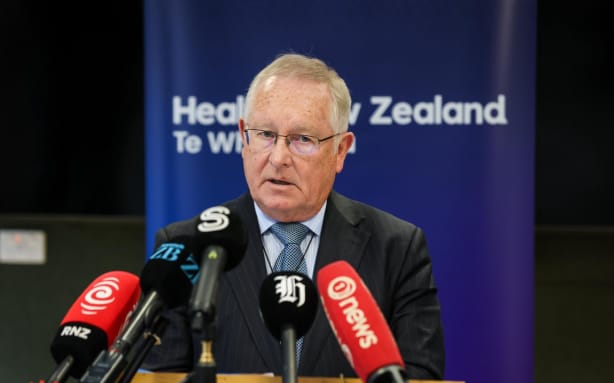
Ministry of Health Director of Mental Health Dr John Crawshaw. Photo: RNZ / Nathan McKinnon
No Legal Basis For Restraint Or Medication
One of the most serious findings was that there was no lawful basis for restraining or medicating the child.
The Ministry investigation found that even if the girl had actually been the adult patient she was mistaken for, the legal requirements for restraint and urgent treatment had not been met.
Dr John Crawshaw, Director of Mental Health at the Ministry of Health, described the findings as deeply concerning.
He said the child had been misidentified, admitted to an adult facility and then treated in a manner that was not authorised under the Mental Health Act.
Crawshaw apologised again to the family and acknowledged the gravity of the failures.
Health And Disability Commissioner Finds Breach
The Health and Disability Commissioner's investigation reached similar conclusions.
Deputy Commissioner Rose Wall found Health NZ had breached the Code of Health and Disability Services Consumers' Rights by failing to provide services that respected the child's needs and dignity.
The report described the use of medication and restraint as "unreasonable and premature".
Investigators found the child had not displayed behaviour that would justify force and that refusal to take medication alone did not warrant restraint.
The HDC also raised concerns that medication had been prescribed by a registrar without the patient being examined in person.
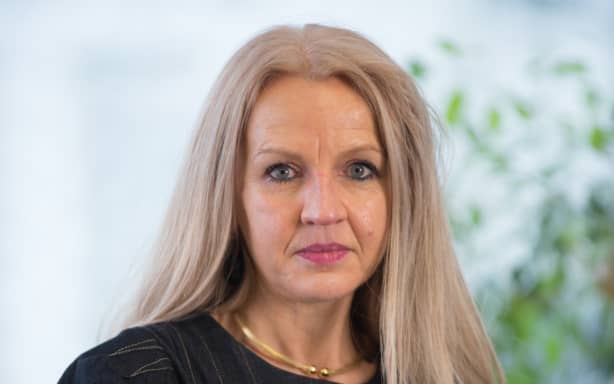
Deputy Health and Disability Commissioner Rose Wall. Photo: Lance Lawson / Supplied
Health NZ Admits It Failed
Health NZ says it has already implemented 19 of 22 recommendations from an earlier rapid review and has accepted the recommendations contained in both new reports.
New patient identification procedures have been introduced and are being rolled out more widely.
A national restraint governance group has also been established.
Health NZ Chief Clinical Officer Dr Richard Sullivan acknowledged the organisation had failed the child and her family.
He said assumptions were made during handovers and staff acted under the mistaken belief the child was someone else.
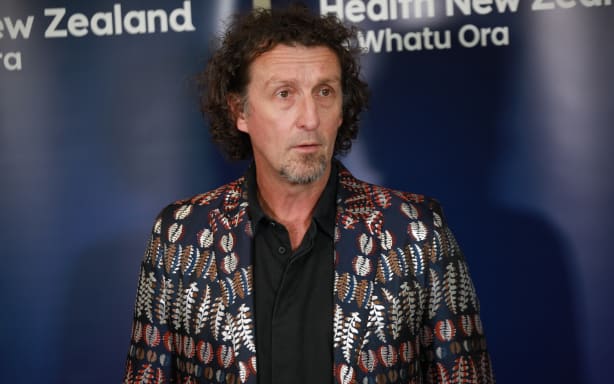
Health NZ Chief Clinical Officer Dr Richard Sullivan. Photo: RNZ / Calvin Samuel
Calls For Wider Change
Associate Professor Bernadette Jones from the University of Otago said the reports highlighted deeper issues within the system.
She said the family had endured a long and traumatic process and argued that existing evidence already points to broader concerns affecting disabled people and disabled Māori within the health system.
Jones said systems must be redesigned so that a similar chain of failures can never happen again.
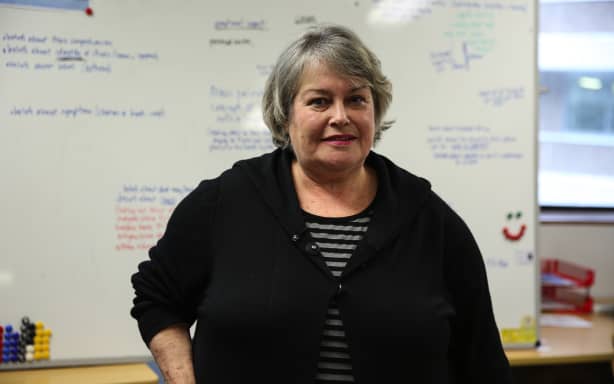
Associate Professor Bernadette Jones. Photo: RNZ / Richard Tindiller
A Child Failed By Multiple Systems
The reports paint a picture of multiple failures occurring across different parts of the system.
A child who was initially recognised by some staff as a vulnerable autistic youngster was ultimately treated as an unrelated adult psychiatric patient.
The investigations found failures in identity verification, communication, legal safeguards, clinical decision-making and patient rights protections.
For the family, the consequences have been deeply personal.
For the wider public, the reports raise difficult questions about how such a sequence of errors could occur within systems specifically designed to protect society's most vulnerable people.
RNZ | Anya Fielding / Morning Report | 19 June 2026