This article examines claims surrounding the later-life research of inventor Nikola Tesla and explores theories that Tesla believed ancient and pre-industrial architecture may have incorporated technologies related to energy collection and distribution. The article draws heavily on research attributed to The Omitted Century US and discusses alleged archival material, correspondence, and unpublished claims relating to Tesla's final years.
Tesla's Seized Papers
The article begins by noting that when Tesla died in 1943, the U.S. government seized his personal papers and belongings under wartime national security provisions. While many documents were eventually released, the article argues that some material remains controversial and continues to fuel speculation regarding the true scope of Tesla's research interests.
The Alleged 1942 Interview
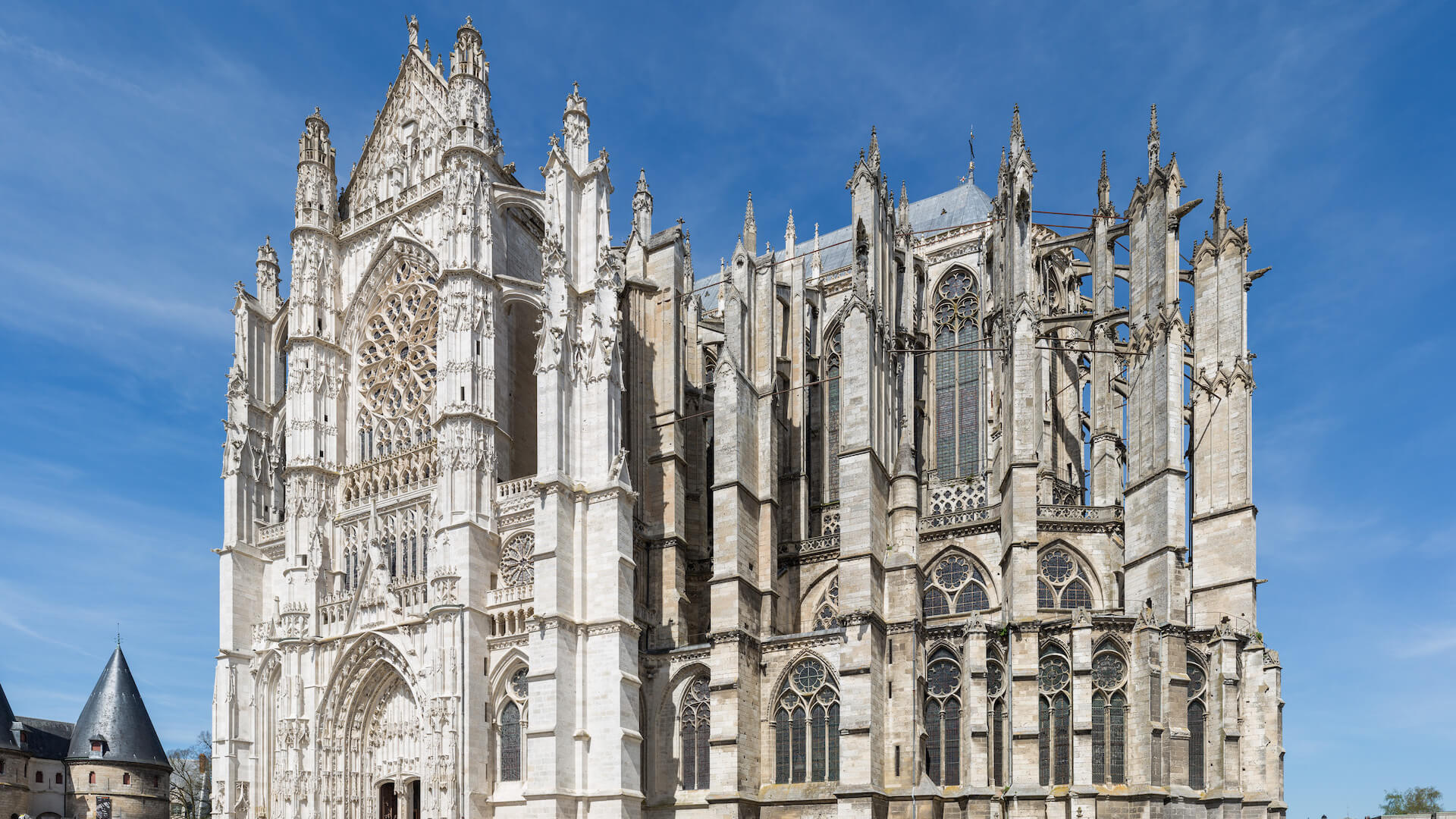
Central to the article is an account of an alleged December 1942 interview conducted by Arthur Matthews. According to the article, the interview was never broadcast and was reportedly confiscated before release. Notes said to have survived from the interview allegedly describe Tesla discussing historic civic architecture, cathedrals, railway stations and other large public structures as functional infrastructure rather than purely symbolic or religious monuments.
France's Medieval Cathedrals
The article claims Tesla believed some historic structures may have incorporated design elements capable of interacting with natural electrical phenomena and that later generations either forgot or abandoned that knowledge. These claims are presented as part of the article's interpretation of Tesla's later thinking.
Rediscovery Rather Than Invention
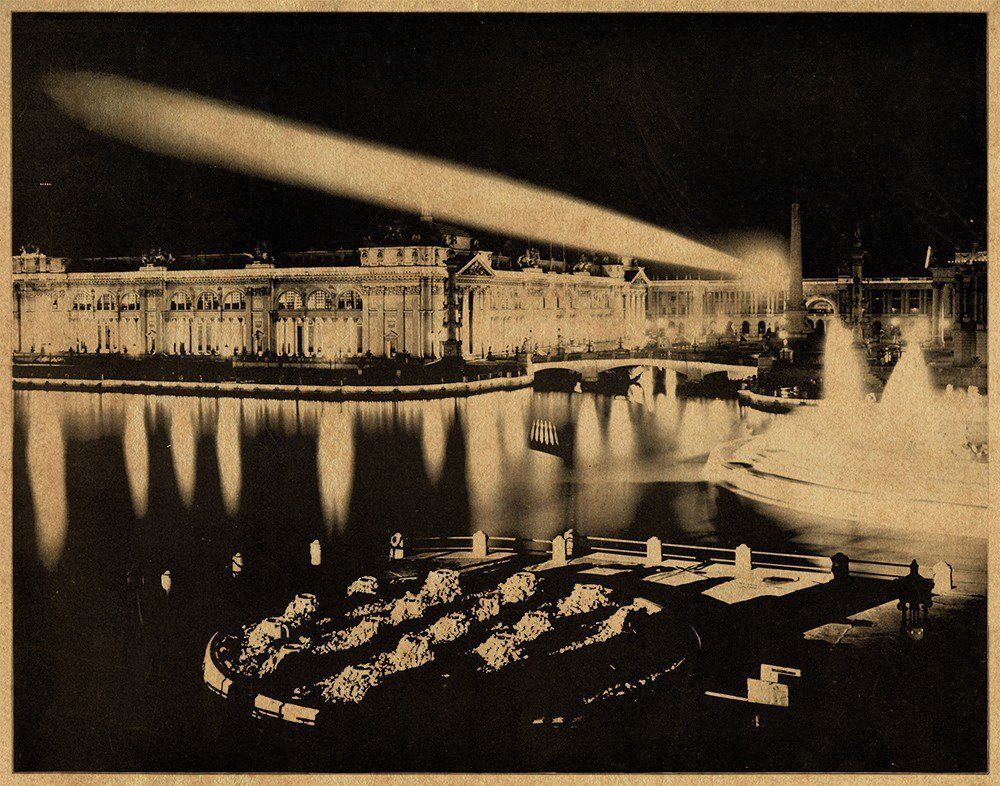
The article argues that Tesla often described aspects of his work as rediscoveries rather than entirely new inventions. It points to his demonstrations at the 1893 World's Columbian Exposition and suggests Tesla occasionally referred to recovering lost knowledge rather than creating completely novel technologies.
1893 Chicago World's Fair, lighting by Nikola Tesla and George Westinghouse
Wardenclyffe Tower
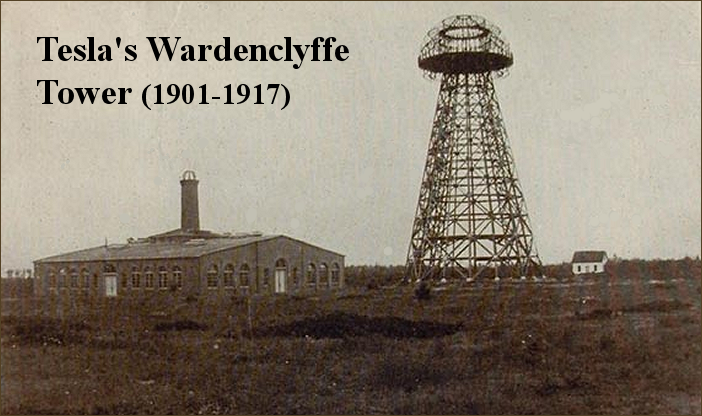
A significant focus of the article is Tesla's Wardenclyffe Tower project on Long Island.
Tesla's Wardenclyffe Tower Project
The article contends that Tesla viewed Wardenclyffe not merely as an experimental wireless transmission system but as an attempt to recreate principles he believed had existed previously. It references correspondence with financier J.P. Morgan and discusses Morgan's withdrawal of funding, presenting the event as a pivotal moment in the project's demise.
Architectural Research
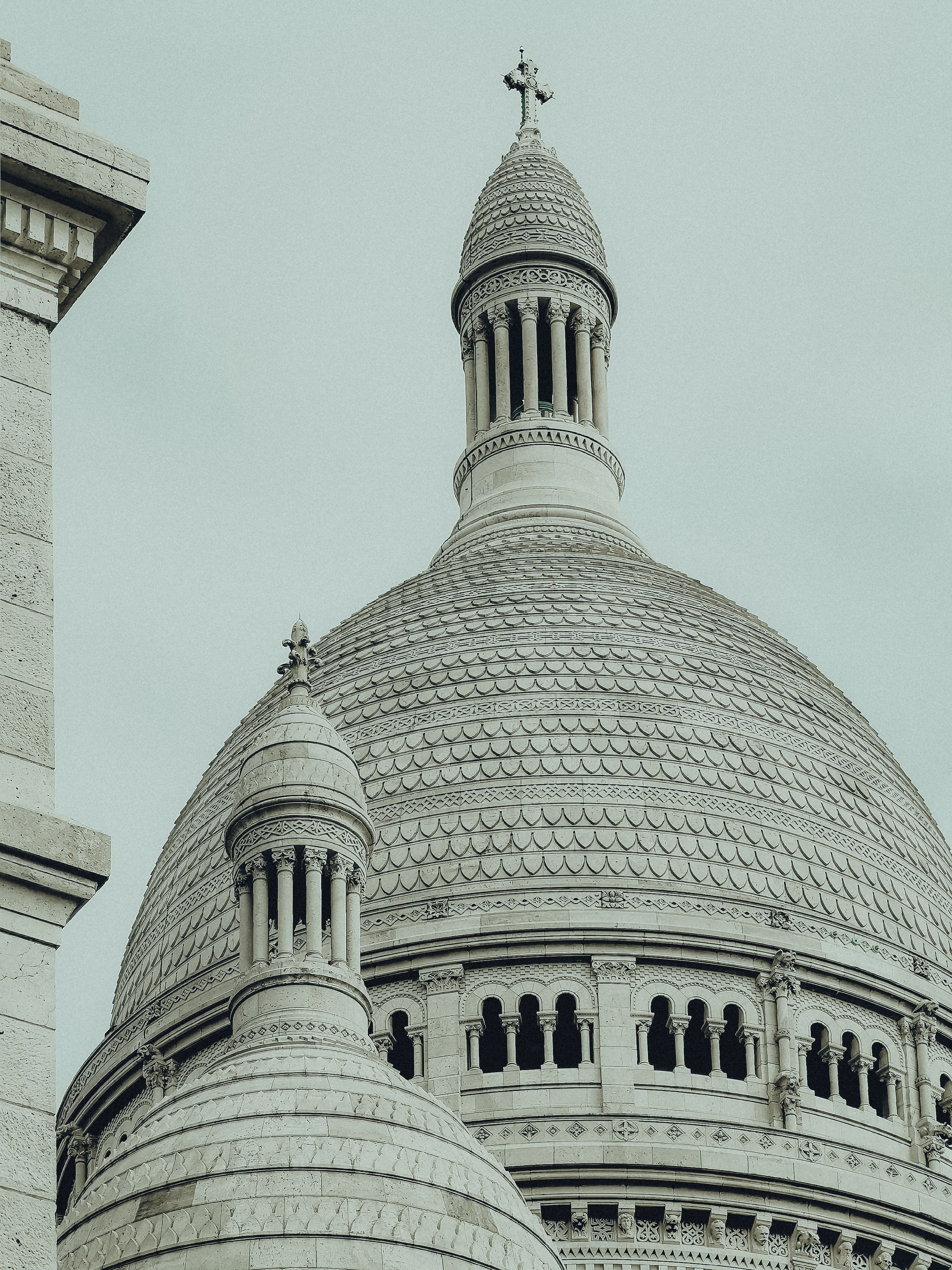
According to the article, notebooks allegedly associated with Tesla contained extensive sketches and measurements of historic buildings, cathedral foundations, domes and civic structures.
Sacré-Cœur Basilica Dome in Paris
The article argues that Tesla may have been studying these structures as functional systems rather than merely architectural achievements. It discusses claims that he investigated grounding systems, conductive materials and geometric design elements embedded within historic buildings.
Notre Dame and "Earth Batteries"
One of the article's most controversial claims involves Notre Dame Cathedral in Paris. It alleges that Tesla sought access to foundation areas beneath the cathedral and believed certain materials incorporated into the structure could have functioned as passive electrical storage systems.
The article describes Tesla allegedly referring to these systems as "earth batteries" and suggests he believed they represented a forgotten form of energy infrastructure. No independently verified evidence is presented within the article to substantiate these claims.
Industrialisation and Energy Control
The article advances the theory that the Second Industrial Revolution replaced older decentralised systems with centralised and metered energy networks controlled by powerful financial and industrial interests.
It argues that centralised electricity generation, utility monopolies and fossil fuel dependence became economically advantageous because they allowed energy use to be measured, billed and controlled. The article suggests Tesla's interest in wireless and distributed power threatened those business models.
Missing Archives and Historical Records
The article further discusses reports of missing architectural plans and incomplete archival records relating to major European structures. It suggests that documentation concerning grounding systems, metal infrastructure and foundation designs may have disappeared over time.
The article interprets these alleged gaps as potentially significant, though it acknowledges that historians have often attributed missing records to routine archival loss, war damage or incomplete preservation.
The Function of Forgetting
A recurring theme throughout the article is the argument that historical technologies can become obscured not through destruction but through changes in interpretation and language.
The author suggests that architectural features once considered functional may now be viewed purely as decorative or symbolic, and argues that societies can lose practical knowledge while retaining the physical structures themselves.
Tesla, John G. Trump and Modern Questions
The article concludes by noting that after Tesla's death, aspects of his work were reviewed by engineer Dr. John G. Trump, uncle of President Donald Trump. It then speculates on whether modern restoration projects involving historic monuments and public architecture could relate to technologies Tesla may have been investigating.
The article presents these ideas as questions rather than conclusions and links them to broader concerns about information control, digital centralisation and the future management of knowledge in the age of artificial intelligence.
Tesla's Forbidden Research
Fall of the Cabal Official
This article summarises and discusses claims and theories presented by the original author. Many of the historical and technical assertions remain disputed, unverified or speculative and should be considered in that context.