Auckland Mayor Wayne Brown has strongly criticised New Zealand First's proposal to abolish Auckland's Independent Māori Statutory Board (IMSB), describing the move as "dumb, racist stuff" and questioning why the Government was choosing to focus on the issue during a period of economic pressure for many New Zealanders.
Report by elocal
The comments come after New Zealand First introduced a Member's Bill seeking to disestablish the Independent Māori Statutory Board, arguing that the unelected body exercises significant influence over Auckland Council decision-making and contributes to what the party describes as a parallel governance structure.
Brown Questions Government Intervention
Speaking to RNZ, Brown said Auckland was capable of managing its own affairs and questioned why central government was intervening.
According to Brown, Auckland Council already operates a range of committees and advisory bodies designed to provide diverse perspectives and robust debate.
He suggested these structures strengthen rather than weaken democratic decision-making and said Wellington should allow Auckland to determine what governance arrangements work best for the city.
What Is The Independent Māori Statutory Board?
The IMSB was established in 2010 alongside the formation of Auckland's Super City structure.
Its purpose is to promote economic, cultural, environmental and social issues significant to Māori living in Auckland and to assist Auckland Council in meeting its obligations under Te Tiriti o Waitangi.
The board is independent of Auckland Council and consists of nine members selected by a panel of mana whenua representatives.
Importantly, the board has the ability to appoint up to two members to council committees responsible for natural and physical resource management, with those representatives holding voting rights on those committees.
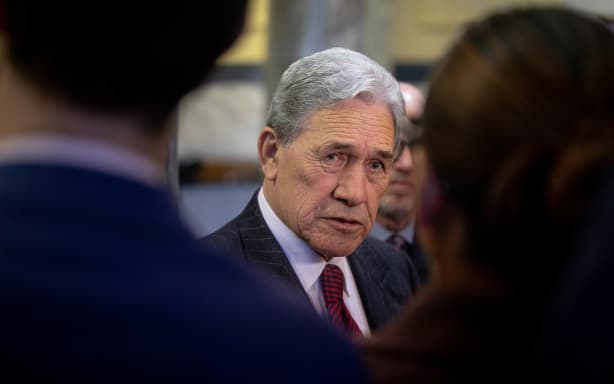
New Zealand First leader Winston Peters. Photo: RNZ / Mark Papalii
NZ First's Position
New Zealand First argues the arrangement undermines democratic accountability because board members are not directly elected by Auckland ratepayers.
The party says the board exercises influence over council decisions despite not being answerable to voters through the ballot box.
Its proposed legislation would abolish the IMSB entirely.
The proposal is consistent with the party's broader campaign against co-governance arrangements and governance structures that provide representation outside the normal electoral process.
Ratepayers' Alliance Supports Abolition
The Auckland Ratepayers' Alliance has welcomed the proposed legislation.
Spokesperson Josh Van Veen said the board currently holds considerable influence and argued that Auckland Council should be governed solely by representatives directly elected by and accountable to Aucklanders.
The organisation says local democracy functions best when decision-makers can be removed by voters if they lose public confidence.
It also argues the board was originally established as a political compromise during Auckland's local government restructuring and has since become a permanent layer of governance that many ratepayers never had the opportunity to vote on.
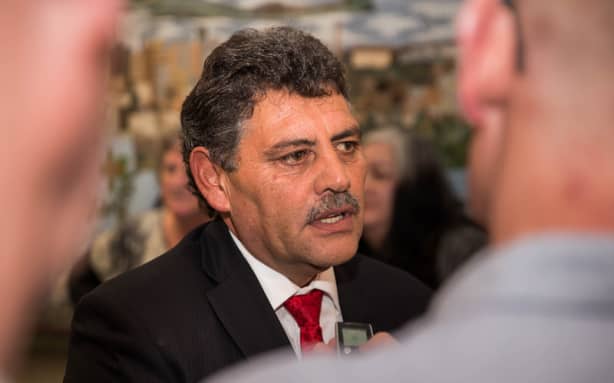
IMSB Chair David Taipari. Photo: RNZ / Cole Eastham-Farrelly
IMSB Yet To Respond
RNZ reported that the Independent Māori Statutory Board was meeting to discuss the proposed legislation and had been approached for comment.
The debate is expected to become a significant political issue as parties increasingly focus on questions surrounding governance structures, representation and accountability ahead of the next election.
elocal Analysis
The debate over the Independent Māori Statutory Board ultimately comes down to a fundamental question: should public governance bodies exercise decision-making authority through appointment or through election?
Supporters of the IMSB argue the board provides an important mechanism for Māori participation and helps ensure Auckland Council fulfils its statutory and Treaty obligations.
Critics argue that any body exercising voting rights over public decision-making should derive its authority directly from the electorate rather than from a separate appointment process.
At elocal, we support a principle of equal citizenship and non-race-based governance. Public appointments, representation and opportunities should be based on merit, capability and accountability rather than ancestry or ethnicity.
That does not diminish the importance of Māori voices, cultural knowledge or community engagement. Rather, it reflects the view that in a modern democratic society, governance structures should operate on the basis that all citizens are equal before the law and that those exercising public authority should ultimately be accountable to the voters they serve.
As this debate continues, the challenge for policymakers will be balancing meaningful representation and consultation with democratic accountability and public confidence in local government institutions.
Tuwhenuaroa Natanahira
RNZ Māori News Journalist
Additional reporting and analysis by elocal.